
Candidate planet HD 137010 b may be Earth-sized but very cold
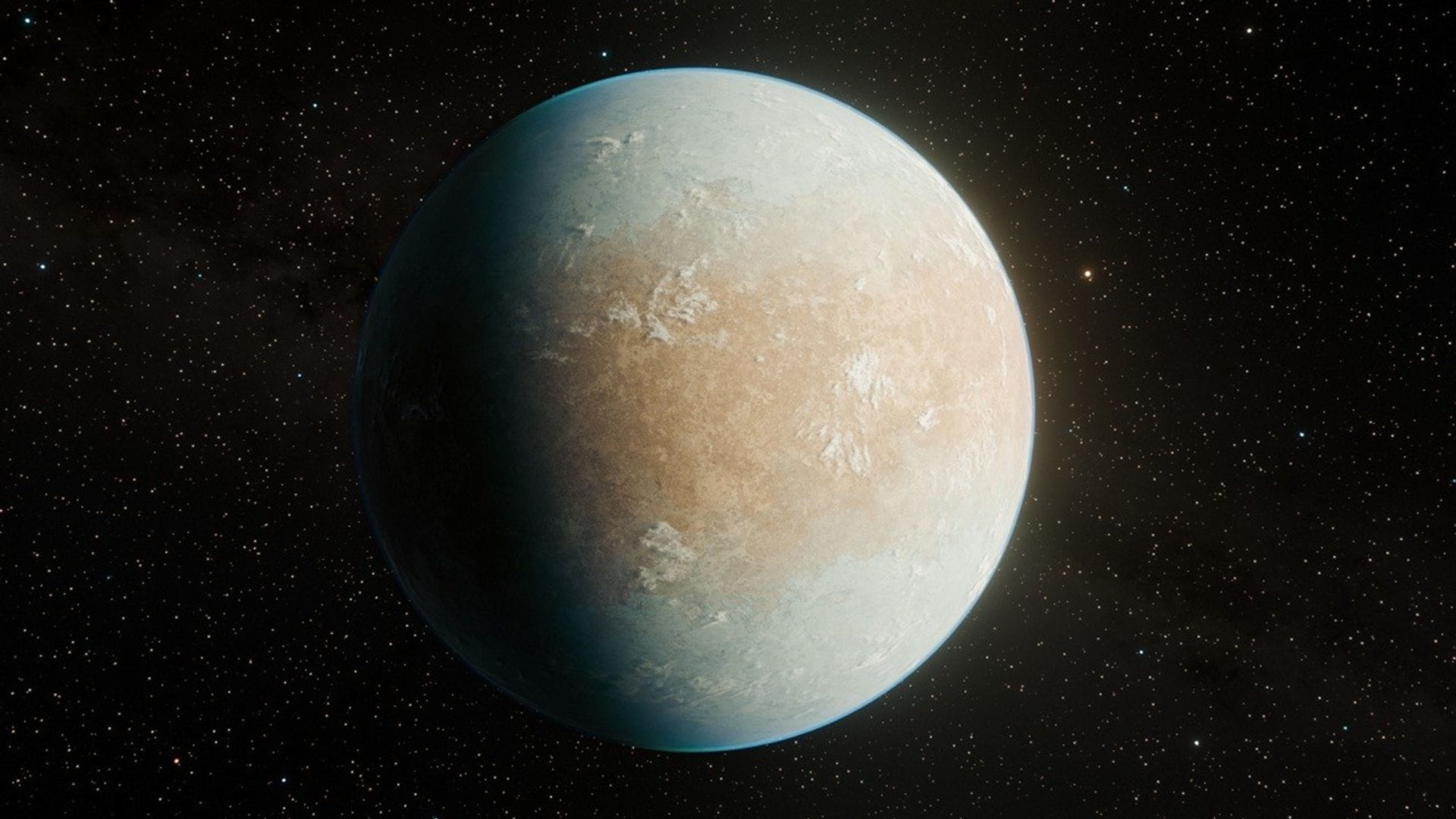
An international team reports a candidate rocky planet, HD 137010 b, orbiting a Sun-like star about 146 light-years away. The object is slightly larger than Earth and appears to have an orbital period similar to Earth’s, though it could be much colder. The discovery comes from a single transit detected by NASA’s Kepler Space Telescope during its K2 mission.
The transit lasted about 10 hours, and the authors used that detection and orbital models to estimate the candidate’s roughly one-year period. HD 137010 b may fall near the outer edge of its star’s habitable zone, but the host star is cooler and dimmer than the Sun and would deliver less than a third of the light Earth receives.
That reduced stellar input could mean a surface temperature no higher than about minus 90 degrees Fahrenheit (minus 68 degrees Celsius), compared with Mars’s average near minus 85 F (minus 65 C). The study’s authors also modelled atmospheres and give the planet a 40% chance of lying in the conservative habitable zone and a 51% chance in a broader optimistic zone, while noting roughly a 50/50 chance it lies beyond the habitable zone entirely.
HD 137010 b remains a candidate pending follow-up: astronomers must observe repeated transits to confirm the planet. The team says further observations could come from NASA’s TESS or ESA’s CHEOPS, or otherwise may await next-generation space telescopes. The discovery paper, led by Alexander Venner, was published in The Astrophysical Journal Letters on Jan.