
Carrie Gibson recounts the 400-year fight to end slavery across the Americas
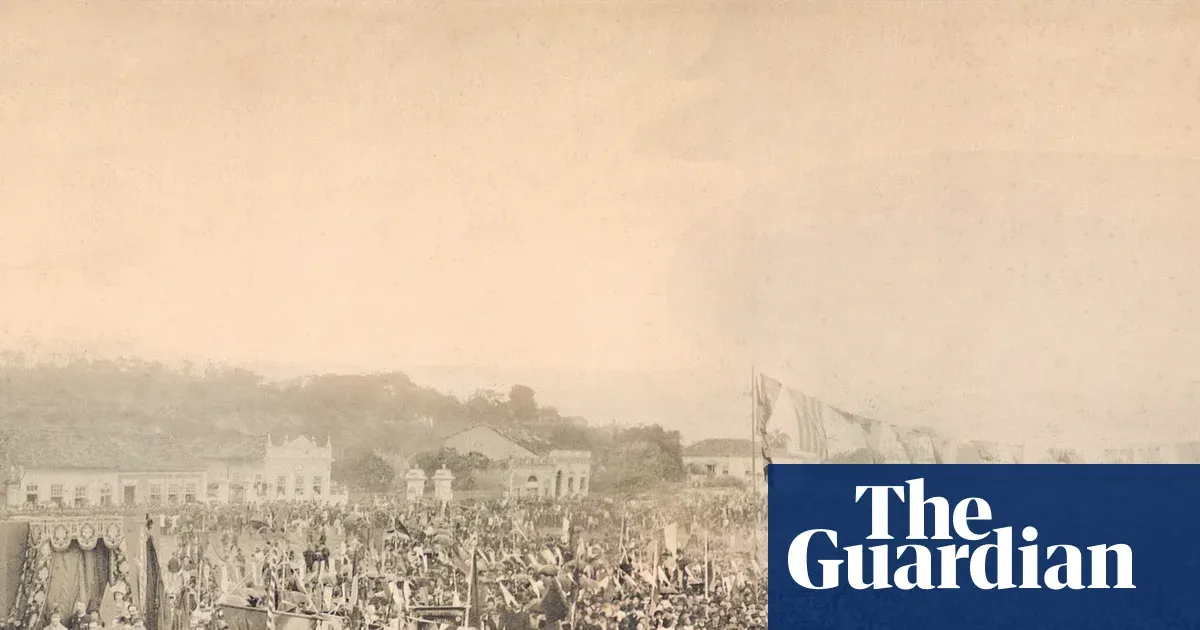
Carrie Gibson’s new book, The Great Resistance, traces what she calls the 400-year fight to end slavery in the Americas. The Great Resistance is Gibson’s third book about the history of the Americas, following Empire’s Crossroads (from 2014) and El Norte (published five years later), and the book is out now.
Gibson said she was driven by curiosity and frustration at an anglophone historiography that often overlooks Spanish- and Portuguese-language stories. She told the Guardian she wanted to bring those strands together after time spent researching in places such as Cuba and after completing a Cambridge PhD on the Haitian revolution; she is now based in South Korea.
The book shifts the focus toward attempts at self-liberation by enslaved people rather than white abolitionism. Gibson writes that "the road to freedom is lined with bodies" and begins with the 1737 incident on the Prince of Orange, when many of those who jumped overboard sank. She also highlights archival silences, noting captains often did not record names and that contemporary records frequently reduce resisting people to numbers.
Gibson includes well-known and lesser-known figures — Nanny, Denmark Vesey, Nat Turner, Frederick Douglass, Robert Wedderburn, Olaudah Equiano, Lourenço da Silva Mendonça, Toussaint Louverture and Mahommah Gardo Baquaqua — and stresses the fight for freedom was complex, sometimes compromised by economic realities.
Key Topics
Culture, Carrie Gibson, Haitian Revolution, Toussaint Louverture, Transatlantic Slave Trade