
Chloé Zhao’s Hamnet imagines Hamlet’s origin in parents’ grief
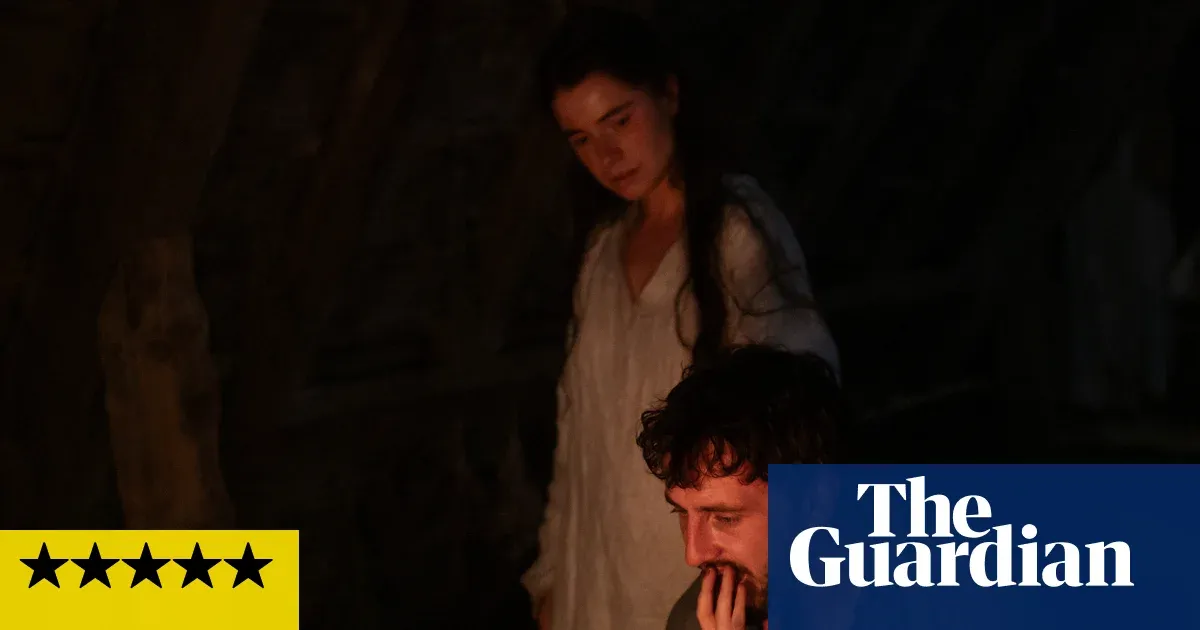
Chloé Zhao’s film Hamnet frames the origin of Shakespeare’s Hamlet in the imagined anguish of William Shakespeare and his wife Agnes (or Anne) Hathaway after the death of their son Hamnet at age 11 in 1596. The screenplay was co-written by Zhao and Maggie O’Farrell and is inspired by O’Farrell’s 2020 novel and Stephen Greenblatt’s 2004 essay The Death of Hamnet and the Making of Hamlet.
The film treats secrecy and revelation in parental grief as a central theme and deliberately leans on the near‑coincidence of the names Hamnet and Hamlet. Jessie Buckley gives a beguiling, trance‑like performance as Agnes, who wanders a folk‑horror woodland outside Stratford‑upon‑Avon and is imagined delivering her first child in the forest; Paul Mescal plays William, a would‑be poet torn between family duty and the London playhouse.
The cast also includes Emily Watson as William’s uneasy mother; the film traces the birth of twins Judith and Hamnet and the calamity that follows while William is in London. The cinematography is by Łukasz Żal and Max Richter provides the score. The film is explicitly contrived and speculative rather than evidentiary: it does not claim to solve the mystery but to deepen it.
Zhao and O’Farrell’s creation myth suggests Shakespeare may have transformed his grief into tragic drama, yet the interpretation ultimately rests on the name coincidence and leaves viewers free to remain unconvinced.
Key Topics
Culture, Hamnet, Chloé Zhao, Maggie O'farrell, William Shakespeare, Jessie Buckley