
Companies market autism‑risk tests from hair, skin and maternal blood despite limited evidence
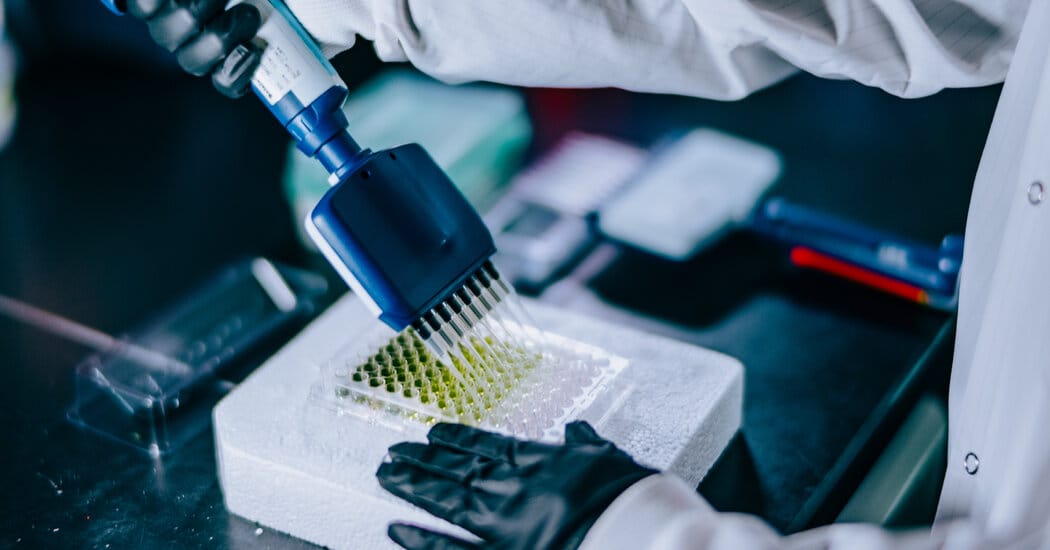
Companies in the United States are selling commercial tests that claim to assess a child’s risk of developing autism from a strand of hair, newborn skin cells or antibodies in a mother’s blood, even as outside scientists say the evidence supporting those claims is limited. The offerings include a hair test that LinusBio says can rule out autism with 95 percent accuracy in babies as young as one month, a NeuroQure skin test based on altered cell signaling patterns, and an antibody test from MARAbio built on research by Judy Van de Water that looks for eight maternal autoantibodies that cross the placenta.
None of the tests has undergone large experimental trials or been evaluated by a regulatory agency; they must be prescribed by a physician, are not covered by insurance, cost roughly $500 to $985, and fall outside direct FDA regulation. Scientists quoted in the reporting cautioned that the studies behind the tests rely on small sample sizes, animal experiments and preliminary datasets.
Joseph Buxbaum called the measures “interesting hypotheses” but said they are “absolutely not at a point for any kind of clinical use.” Proponents and company leaders counter that the studies were peer reviewed, NIH‑funded and conducted at reputable institutions; some companies say they will gather more data now that the tests are on the market.
Key Topics
Health, Marabio, Linusbio, Neuroqure, Van De Water, Autoantibodies