
How to convert kitchen scraps into an infused oil
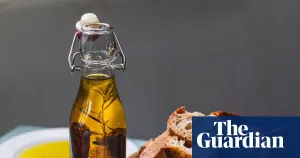
Today’s recipe shows how to turn kitchen scraps into a home-made infused olive oil; the method makes about 250ml and is designed to be prepared on a very low heat in a regular kitchen. Infused oil can be used to drizzle over carpaccio, pasta or salad, to marinate meat, fish and vegetables, or simply as a dip for sourdough.
The article gives favourite combinations such as lemon rind with garlic skin and rosemary; star anise with cacao and orange rind; and makrut lime leaf with lemongrass husk and coriander stems, the last of which was noted as especially good over noodles and pak choi. Freshly infused oils of this sort aren’t suitable for long storage, so use them up within a day to two.
The ingredient guidance lists assorted kitchen scraps such as skins and offcuts from garlic and onion, chilli seeds, outer leaves of leeks, celery leaves, spring onion tops, unwaxed orange and lemon peel, and a sprig of thyme or rosemary, plus 1–2 tsp whole spices if you like, and 250ml extra-virgin olive oil.
The method is to put a saucepan on a very low heat, add a simple combination of two to four flavours, pour over the olive oil and heat until it just begins to bubble gently. Keep the oil warm for about 15 minutes to infuse without frying the solids, then take the pan off the heat and leave to cool.
infused olive oil, homemade infused olive oil recipe, kitchen scraps infusion, extra-virgin olive oil, garlic skins, lemon rind, rosemary infused oil, star anise with cacao, makrut lime leaf, lemongrass husk, coriander stems, chilli seeds, onion skins, outer leek leaves, celery leaves, spring onion tops, sprig of thyme, whole spices infusion, low heat infusion method, 15 minute infusion, drizzle over carpaccio, drizzle over pasta, marinate meat and fish, dip for sourdough, use within two days, sieve and decant oil, long pepper, unwaxed orange peel, noodles and pak choi, 250ml infused oil