
Daniel Walker Howe, Historian of America's 1815–1848 Transformation, Dies at 88
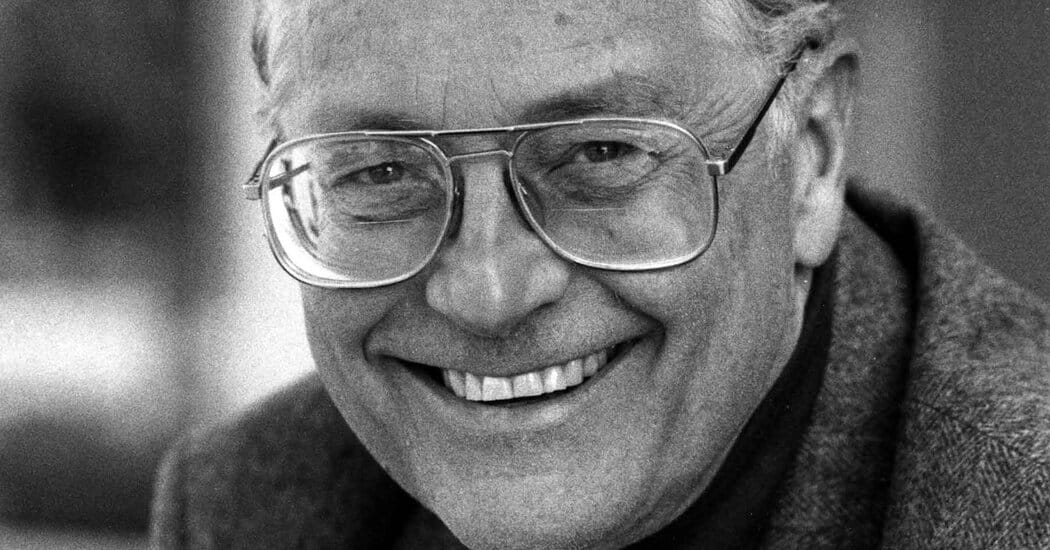
Daniel Walker Howe, an American historian who reinterpreted the nation’s transformation between 1815 and 1848, died on Dec. 25 at his home in Sherman Oaks, Calif. He was 88, and his death was confirmed by the University of California, Los Angeles, where he taught. Professor Howe was best known for his 2007 book What Hath God Wrought: The Transformation of America, 1815-1848, which won the Pulitzer Prize in history the following year.
He argued that technological and communications advances — above all the telegraph — plus printing, rail travel and rising Christian-inspired reform movements reshaped American life more decisively than previously recognized. In lectures and writing he described the America of 1815 as close to a "third-world country," ruled by the "tyranny of distance," and cited examples such as the War of 1812’s missed communications, the delay between a peace treaty and the Battle of New Orleans and a dramatic fall in the price of a mattress as indicators of profound material change.
Key Topics
Culture, Daniel Walker Howe, Pulitzer Prize, Telegraph, Seneca Falls Convention, Ucla