
Democrats Can't Leave School Choice to Republicans
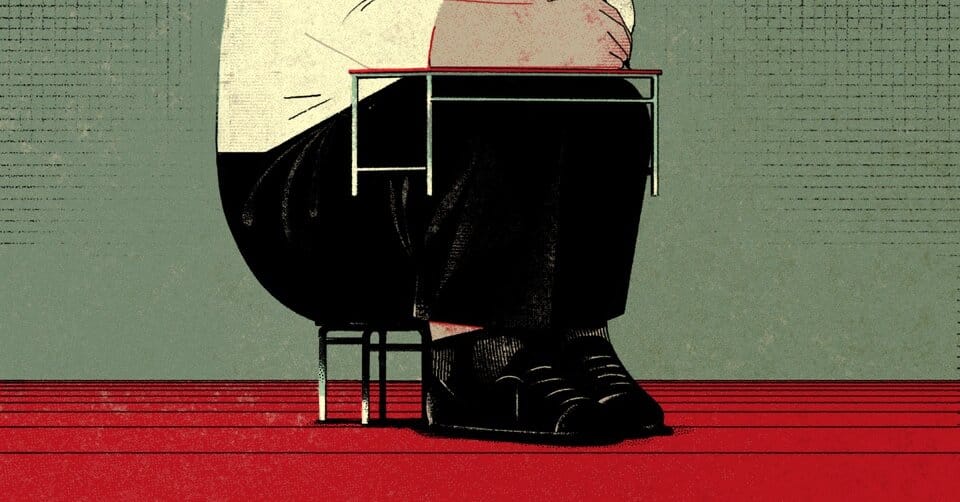
America is in a decade-long education depression: barely a third of students are proficient in reading or math across most grades, achievement gaps are widening, many college freshmen arrive unable to read a full book or do middle-school math, chronic absenteeism has surged, and educators are burning out as families who can leave increasingly do.
Reforms pushed from within—higher standards, better data, stronger accountability and more equitable funding—have produced some gains but often stall against bureaucratic inertia and political gridlock. Schools funded by ZIP code rather than results face weak incentives to improve, and systems without structural pressure tend to optimize for self-preservation instead of student outcomes.
The essay calls for a new educational operating system that channels public funding through students and families rather than centralized district bureaucracies.
United States
school choice, education reform, student proficiency, reading proficiency, math proficiency, achievement gaps, chronic absenteeism, teacher burnout, public funding, district bureaucracy