
Drone warfare has cut into Ukraine’s traditional winter lull
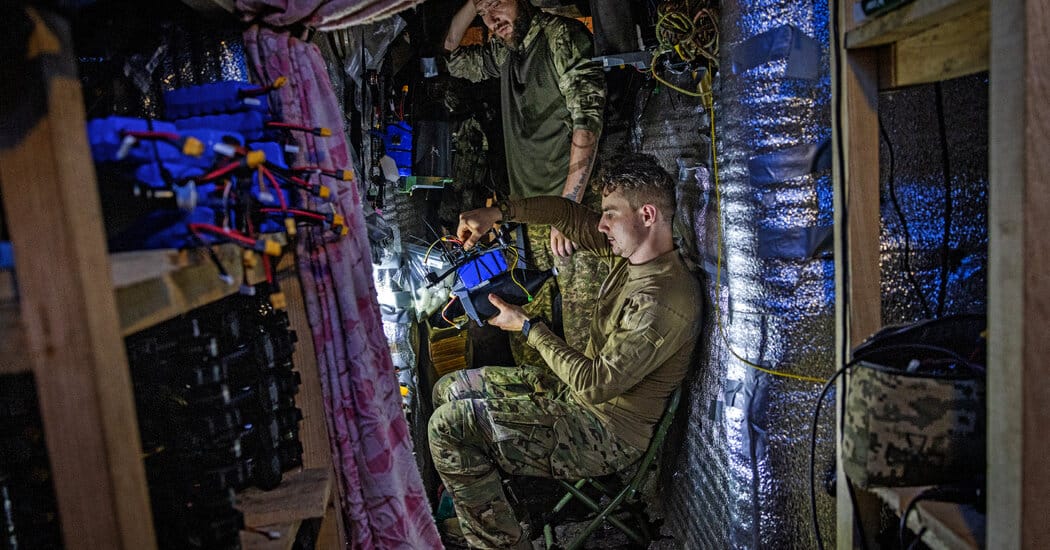
Across regions including Dnipro and Kharkiv, fighting in Ukraine has continued through the winter as drones provide real‑time surveillance and enable strikes, removing the seasonal pause that once followed freezing ground. Earlier in the war, tanks and heavy armor shaped a winter slowdown because snow and mud impeded movement.
Now, a hovering drone can spot and relay images of enemy soldiers to a command post; in one episode two Russian soldiers were seen at 7:09 a.m. and were presumed dead 15 minutes later after a Ukrainian strike, the report said. "Nothing really changes, summer or winter," said an infantry platoon commander using the call sign Salo; "the only difference is the cold." Vienna‑based analyst Franz‑Stefan Gady said weather variations are "exponentially more consequential than in previous years." Winter conditions can both help and hinder drone‑led operations.
Bare trees and footprints in snow make movement more visible and cold boosts thermal cameras, but snowfall, fog and overcast skies reduce visibility and can be used by Russian forces for infiltration, analysts and soldiers said. Low temperatures also cut drone battery life and can freeze propellers; a drone sergeant using the call sign Sol said crews warm drones near gas stoves, test de‑icing sprays and even rub propellers with meat fat to keep them working.
Key Topics
World, Drone Warfare, Fpv Drone, Vampire Drone, Dnipro, Kharkiv