
DSM leaders remain split on recognizing postpartum psychosis as separate diagnosis
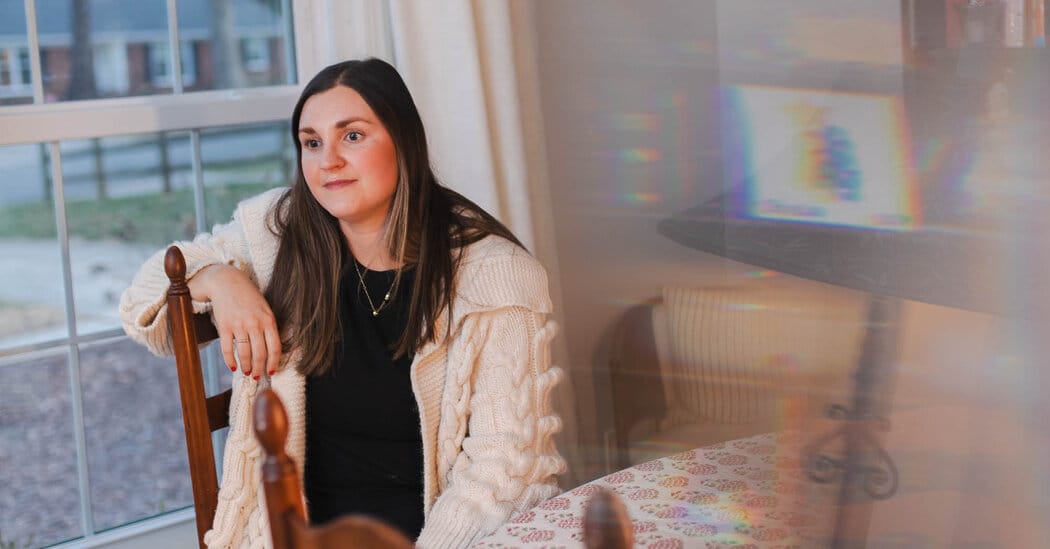
Leaders of the Diagnostic and Statistical Manual of Mental Disorders (D.S.M.) have been split for more than five years over whether to list postpartum psychosis as a distinct diagnosis. The debate has been driven in part by cases such as Emily Sliwinski’s, who developed racing thoughts, insomnia and hallucinations after the birth of her first child and was initially diagnosed with schizophrenia before being correctly identified at a perinatal psychiatry unit.
Advocates say formal recognition would focus training, funding and legal attention on a condition that occurs in about one to two in every 1,000 births and can be a psychiatric emergency, sometimes leading to suicide or infanticide. Proponents, led by researchers including Dr. Veerle Bergink, have proposed placing the disorder under the bipolar chapter; they point to common mood symptoms and the effectiveness of treatments such as lithium and electroconvulsive therapy.
D.S.M. editors and committees have raised concerns about the disorder’s heterogeneity and where it would fit in the manual’s chapters, warning that an imprecise definition could cause harm by misdirecting treatment or prompting unnecessary involuntary interventions.
Key Topics
Health, Postpartum Psychosis, Veerle Bergink, Kimberly Yonkers, Perinatal Psychiatry, Lithium