
Dutch court orders Netherlands to protect Bonaire from climate change
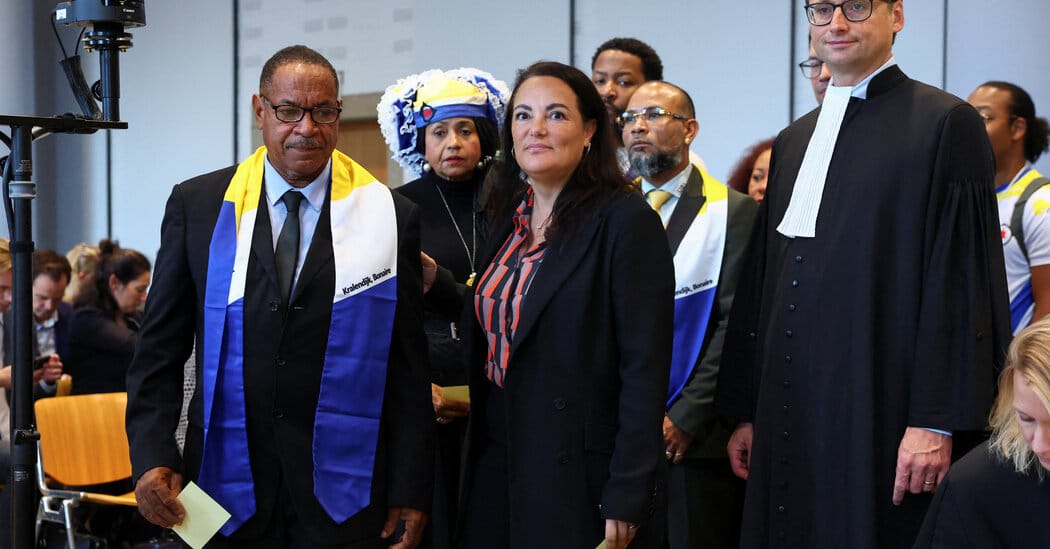
On Jan. 28, 2026, the District Court of The Hague ruled that the Netherlands violated the human rights of residents of Bonaire, a Dutch Caribbean territory, by failing to protect them from the effects of climate change and ordered the government to set binding greenhouse gas reduction targets within 18 months and to draft a detailed adaptation plan for Bonaire to be implemented within four years.
The court found that the government had discriminated against the island’s roughly 26,000 residents by not preparing an adaptation plan despite known risks such as sea level rise, higher temperatures, storms and flooding. The case was brought by eight residents of Bonaire and Greenpeace Netherlands.
In its statement the court said, "There is no good reason why measures for the inhabitants of Bonaire, who will be affected by climate change sooner and more severely, should be taken later and less systematically than for the inhabitants of the European part of the Netherlands." The ruling said the Netherlands was not complying with international accords including the Paris Agreement and concluded the government had violated the European Convention on Human Rights.
The decision cited other recent climate-related legal developments, including a 2024 ruling by Europe’s human rights court in a case brought by KlimaSeniorinnen and an advisory opinion by the International Court of Justice in July that states must act to protect people from climate risks.
bonaire, netherlands, district court of the hague, greenpeace netherlands, binding greenhouse gas targets, detailed adaptation plan, binding targets within 18 months, adaptation plan within four years, sea level rise, higher temperatures storms and flooding, mangrove forests and coral reefs, tourism-based economy impact, climate change litigation, european convention on human rights, paris agreement compliance, international court of justice opinion, klimaseniorinnen ruling, urgenda 2015 case, shell emissions ruling, sophie hermans, marieke vellekoop, vesselina newman, maria antonia tigre, angelo vrolijk, clientearth, dutch caribbean territory, discrimination against residents, dutch government climate policy