
EPA proposes rule to curb states’ power to block pipeline and energy permits
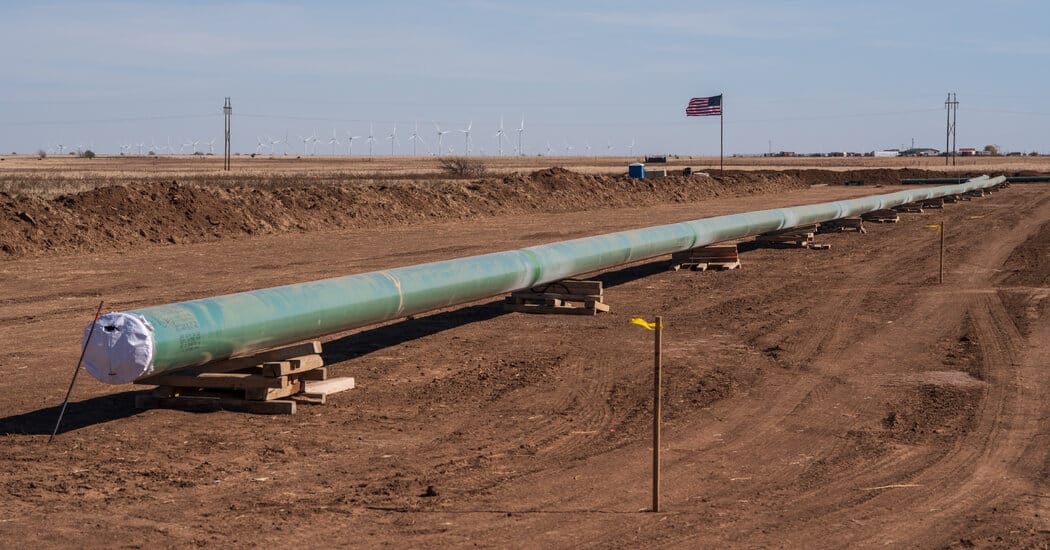
The Trump administration on Tuesday proposed an Environmental Protection Agency rule intended to limit states' ability to block construction of oil pipelines, coal export terminals and other energy projects that could pollute nearby waterways. The proposal would narrow Section 401 of the Clean Water Act, which allows states and tribes to review and approve or veto federal permits for projects that might discharge pollutants.
The E.P.A. said the rule is the second part of a one-two punch after an November plan to strip federal protections from millions of acres of wetlands and streams. Under the proposal, states and tribes could address direct water-quality effects but not factors such as air pollution or traffic, and would have a maximum of one year to act on certification requests.
Jess Kramer, the E.P.A. assistant administrator in charge of the agency’s Office of Water, said the rule was meant to ensure "states and tribes only utilize 401 for its statutory purpose, and not as a weapon to shut down projects," and to "maximize efficiencies" so projects such as those supplying electricity to data centers can move forward with certainty.
In recent years, Democratic governors used Section 401 to block projects: Gov. Jay Inslee in 2017 refused a permit for a coal export terminal on the Columbia River, and Gov. Andrew Cuomo in 2020 denied a permit for a pipeline he said would result in "significant water quality impacts" and jeopardize the state's climate goals.
Key Topics
Politics, Environmental Protection Agency, Clean Water Act, Oil Pipelines, Columbia River, Williams Companies