
EU weighs anti-coercion response after Trump’s tariffs over Greenland support
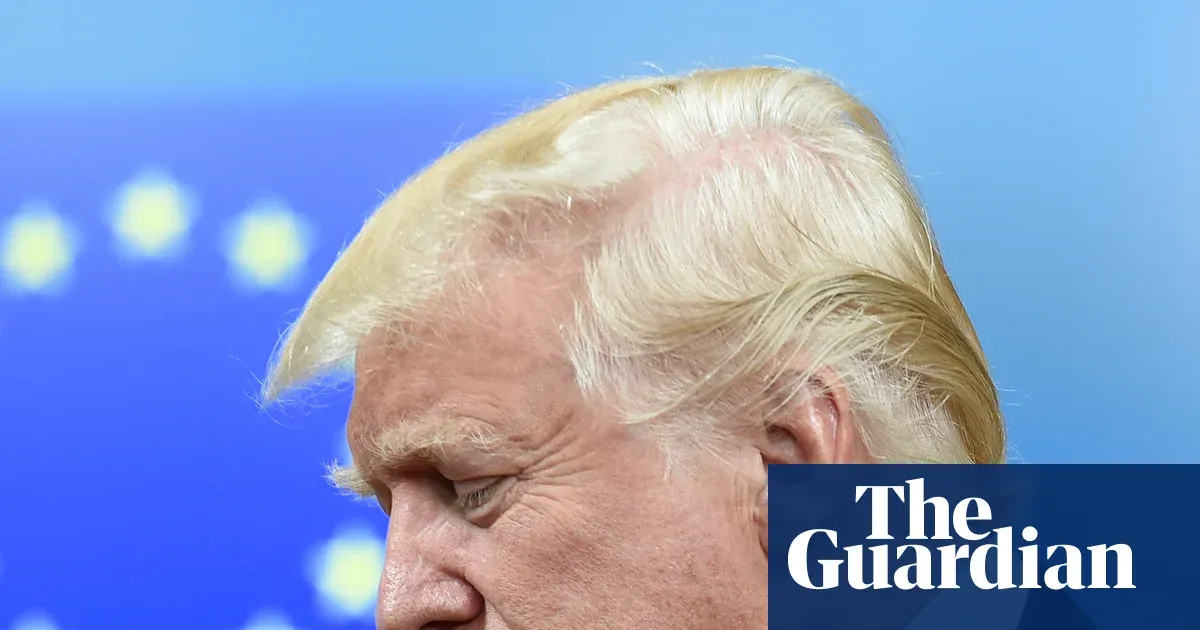
Donald Trump’s announcement that eight countries supporting Greenland would face tariffs unless there was a deal to sell the territory to the US has pushed the EU to consider tough countermeasures, even as its top officials continue to publicly call the US an ally. Ursula von der Leyen, speaking at the port of Limassol in Cyprus, used the familiar formula of the US as “our allies, our partners”.
The eight countries named include six EU member states, as well as Norway and the UK. The weekend move was described in the report as a further blow to the transatlantic alliance and as mocking the notion that the US is Europe’s ally. Critics say Europe’s strategy of flattering and appeasing Trump has failed.
The article cites von der Leyen’s trade deal with the US, signed at Trump’s Turnberry golf course last July, as an example: the EU agreed to eliminate some tariffs but accepted 15% duties on many products and 50% on steel. The European Parliament, from the radical left to the far right, has united against the agreement, with political leaders calling for its ratification to be paused; Jordan Bardella called Trump’s threats “commercial blackmail”, the piece says.
There are growing calls to use the EU’s anti-coercion instrument, dubbed the “big bazooka”, which was conceived in response to Chinese pressure and would allow sweeping restrictions on US goods and services and the suspension of investment or intellectual property protections.
Key Topics
World, European Union, Donald Trump, Greenland, Denmark, Anti-coercion Instrument