
Experimental antibody GT103 shows early signs of activity in lung cancer
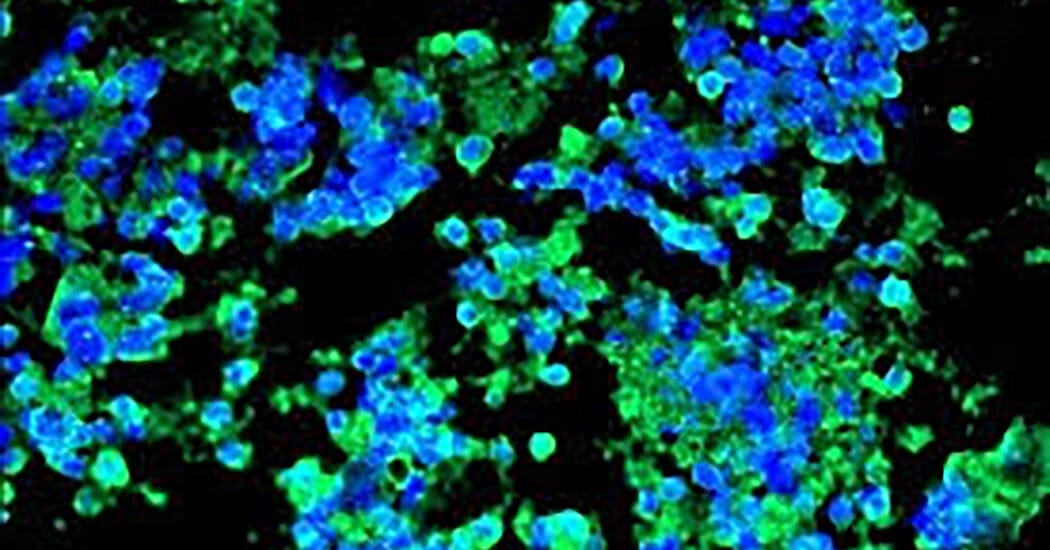
Researchers have identified an antibody, GT103, that is linked to better outcomes in some lung cancer patients and are testing it as an experimental drug through Grid Therapeutics, a company started by Dr. Edward Patz after years of research at Duke.
Patz identified GT103 by studying stored serum from patients collected over 25 years and proposed that the antibody can block a molecular shield, complement factor H, allowing an arm of the immune system to kill cancer cells. Barton Haynes supplied the antibody for further work, which showed activity in animals. A first-stage safety study involved 31 patients whose standard treatments had failed; tumors did not shrink but stopped growing temporarily in one-third of the patients, and in one case the tumor disappeared and has not recurred for two years. Researchers have also tested GT103 combined with pembrolizumab, hoping the two drugs will activate complementary parts of the immune system.
Outside researchers described the concept as intriguing but cautioned that the evidence is preliminary. "It’s still very very early," said Dr. Roy Herbst, and Dr. David Barbie said efficacy "is still an association." Investigators and the developers say much larger, controlled trials will be needed — "We have to study hundreds of patients," Dr. George Simon said — and most promising experimental drugs fail in larger studies.
Key Topics
Health, Edward Patz, Grid Therapeutics, Complement Factor H, Pembrolizumab, Barton Haynes