
Food sector urges transition if UK realigns post‑Brexit agriculture rules with EU
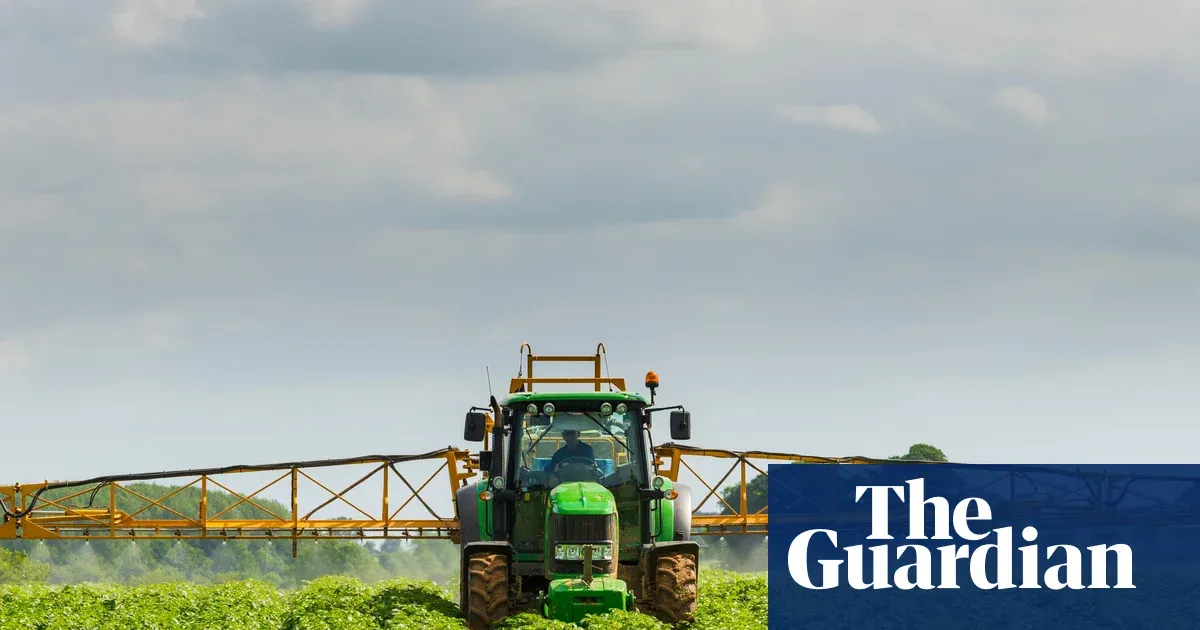
British food sector representatives have urged the government to introduce a transition period if it agrees to realign post‑Brexit agriculture rules with the EU, warning that an overnight change would create a "cliff edge" that could cost UK businesses between £500m and £810m a year, industry groups said, as technical talks began in London last week.
David Bench, chief executive of Croplife, said: "If we do not have a transition period, it would have very damaging consequences." The call followed a warning from the National Farmers' Union that British oats used in cereals, snack bars, meatballs and veggie burgers could be rendered unsellable in the EU because British farmers in the past five years have been allowed to use certain fungicides not yet approved by the EU.
The reset aims to remove barriers that have led thousands of businesses to stop exporting to the EU and to reduce supermarket prices. The parliamentary trade select committee has said extra red tape was costing the UK an extra £8.4bn, with goods trade down 18% on five years ago and food and drink down 24%.
One transport chief told the committee Brexit paperwork had been "pure hell", with a truck held up for as long as 27 days in Calais for lacking the right certificates for a frozen beef cargo.
transition period, realign agriculture rules, post-brexit agriculture rules, croplife, david bench, national farmers' union, british oats fungicides, fungicides not approved by eu, sps agreement, uk-eu reset, technical talks in london, £500m-£810m annual cost, £8.4bn red tape cost, goods trade down 18%, food and drink down 24%, 27 days calais delay, frozen beef cargo, andersons centre report, plant protection divergence, pesticides and herbicides, cliff-edge scenario, phased realignment over a year, reduce supermarket prices, british growers impact