
Frederick Wiseman Watched People Like Nobody Else
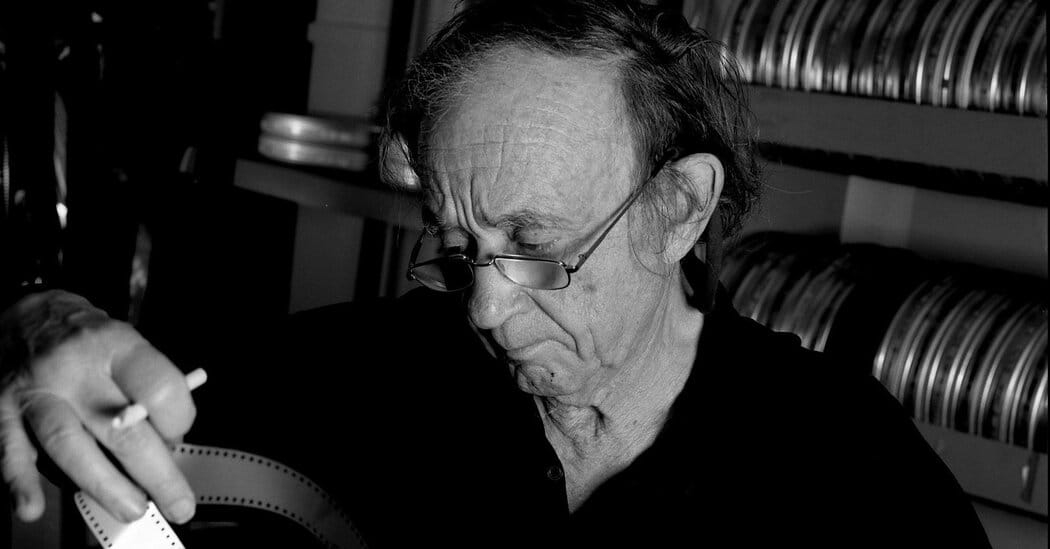
Frederick Wiseman, who died on Monday at age 96, made his name and provoked controversy with Titicut Follies. Shot in a direct cinema style with no narrator or interviews, it presented patient-inmates at Bridgewater State Hospital and prompted Massachusetts to try to block its release.
Legal fights reached the U.S. Supreme Court, which declined to hear the case, and the film — the first to be banned in the United States for reasons other than obscenity and national security — did not become publicly available until 1991. He faced fresh unease in 1968 as High School was prepared for release.
Following life at Northeast High School in Philadelphia — classes, counseling sessions, meetings with parents — Wiseman found a system of hierarchy and rigidity that the film’s final scenes linked to preparing young men for the Vietnam War. The movie was widely released but barred from showing in Philadelphia; students there printed T-shirts that read “Fred Wiseman Was Right.” Wiseman rarely began with a fixed thesis.
United States, Philadelphia
frederick wiseman, titicut follies, bridgewater state, direct cinema, banned film, supreme court, high school, northeast high, philadelphia, vietnam war