
Fungi: Anarchist Designers frames fungi as persistent, world‑shaping agents
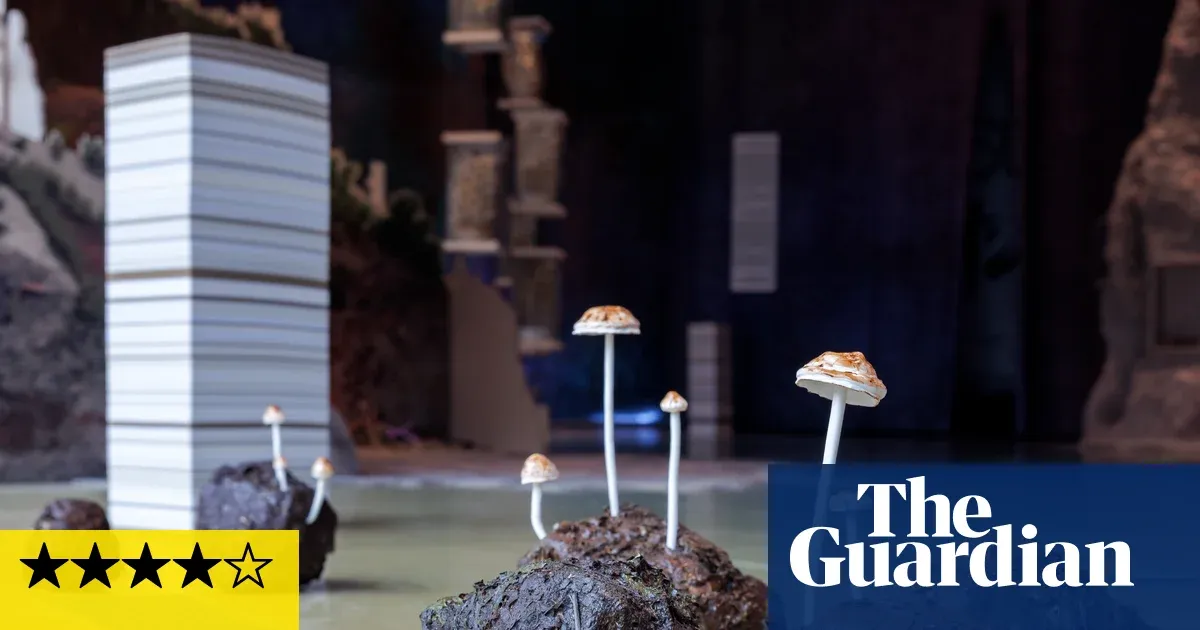
Fungi: Anarchist Designers, curated by anthropologist Anna Lowenhaupt Tsing and architect‑artist Feifei Zhou, is an exhibition that stages fungi as pervasive forces of destruction, decay and regeneration rather than passive materials. The show opens with Sylvia Plath’s poem Mushrooms and includes installations, films and soundscapes that emphasise fungi’s ubiquity and resilience.
A timelapse film of a basket stinkhorn—growing from a fleshy column into a perforated umbrella that emits the smell of rotting flesh to attract flies and disperse spores—sets the tone. The curators say: “Fungi refuse the commands of human masters and to abide by human standards of propriety,” and the exhibition frames fungi as “co‑designers of the world” in a mode the organisers call “anti‑design.” Works underline ecological and human consequences: the show notes that the fungal kingdom spans more than two million organisms and highlights lethal species such as Amanita phalloides, the death cap, which the text links to human fatalities including the Holy Roman Emperor Charles VI in 1740.
Installations call out agricultural vulnerability—from monoculture susceptibility to heterobasidion root rot—and include Matteo Garbelotto and Kyriaki Goni’s multimedia piece titled “We shall by morning, inherit the earth.” A giant tombstone lists more than 90 amphibian species said to have been wiped out by a microscopic fungus, accompanied by a magnified image of fungal invasion of a corroboree frog.
Key Topics
Culture, Fungi, Fungi Anarchist Designers, Anna Lowenhaupt Tsing, Feifei Zhou, Amanita Phalloides