
Study finds many Galápagos sea lions keep nursing into adulthood
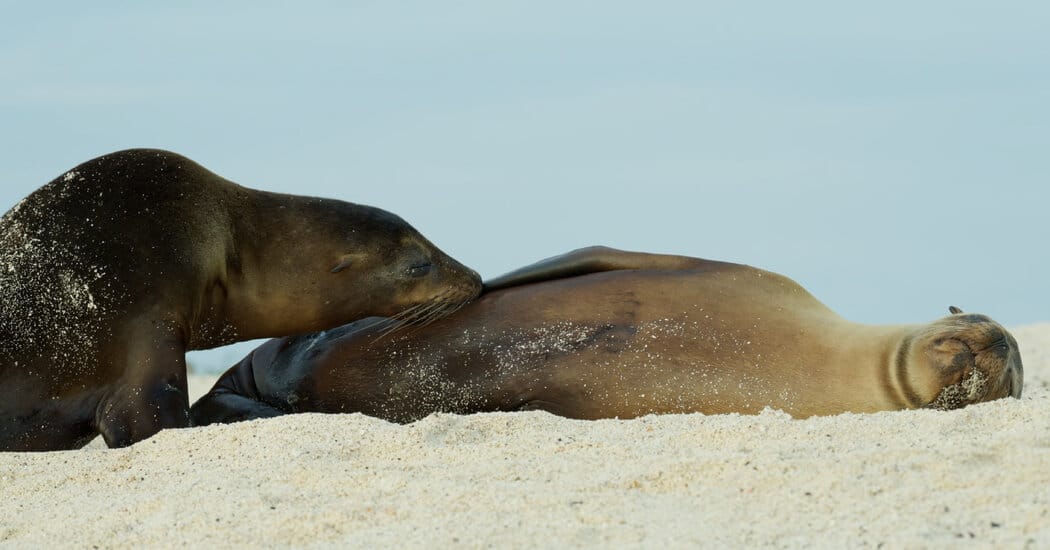
A long-running study of Galápagos sea lions found that many individuals continue to suckle from their mothers well after they can hunt, mate and fend for themselves. The observations come from a single population of the endangered pinniped Zalophus wollebaeki living on Caamaño Islet, monitored by the Galápagos Sea Lion Project since 2003.
Researchers reviewing two decades of records reported that most sea lions wean by about age three, but 11 percent of newly pubescent animals kept returning to their mothers. Among those late-nursing animals, roughly one in five continued past sexual maturity; the team labeled these unusually dependent individuals “supersucklers.” One animal was seen nursing at age 16.
The behavior has included rare multigenerational suckling trains and episodes in which males shift from suckling to courtship. The researchers found no clear bias toward sons or daughters. Supersuckling was more common in years when food was abundant, suggesting mothers may only allow older offspring to nurse when it does not jeopardize their own survival or future reproduction.
Preliminary analyses by the team indicate that having a supersuckler in the family can increase the odds that younger, fully dependent siblings may die early. Some scientists have suggested lingering visits might provide modest nourishment or help maintain social bonds. The team published the findings last month in The American Naturalist, but they said key questions remain unanswered.
Key Topics
Science, Galápagos Sea Lion, Zalophus Wollebaeki, Caamaño Islet, Galápagos Islands, Supersucklers