
HDR10, HDR10+ and Dolby Vision: how they differ and which TVs support them
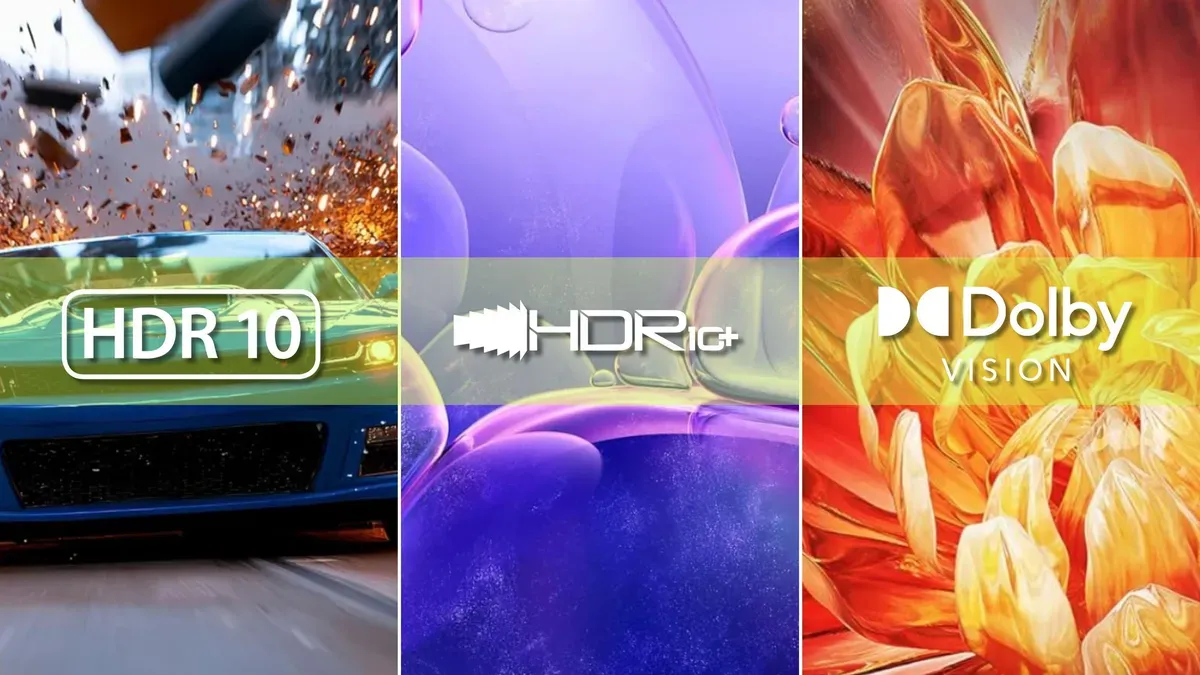
When shopping for a TV, shoppers should know HDR10, HDR10+ and Dolby Vision are different HDR formats that affect how brightness and color are rendered on-screen. HDR10 is the baseline format on nearly all modern TVs, while HDR10+ and Dolby Vision add scene-by-scene adjustments. HDR10 uses static metadata, applying one set of brightness and color limits to an entire movie or show, so picture quality depends on a TV’s tone-mapping.
HDR10+ and Dolby Vision use dynamic metadata to adjust tone mapping scene by scene or frame by frame, helping preserve detail in highlights and shadows. HDR10+ was introduced about nine years ago by a Samsung-led group that included Amazon, and is supported on nearly all newer Samsung TVs and many other brands such as Hisense and Vizio; it is limited to 10-bit color.
Dolby Vision, developed by Dolby Laboratories in 2014, supports up to 12-bit color and higher peak brightness and is found on TVs from LG, Sony, Hisense and others (Samsung is a notable holdout). Most major streaming services offer content in HDR10+, Dolby Vision and HDR10. For the broadest compatibility and best real-world results, consider a TV that supports both Dolby Vision and HDR10+.
On TVs that lack Dolby Vision, Dolby content falls back to HDR10; on HDR10-only sets, HDR10+ content plays as standard HDR10.
Key Topics
Tech, Dolby Vision, Samsung, Lg, Hisense