
How often do game sequels totally shift genres?
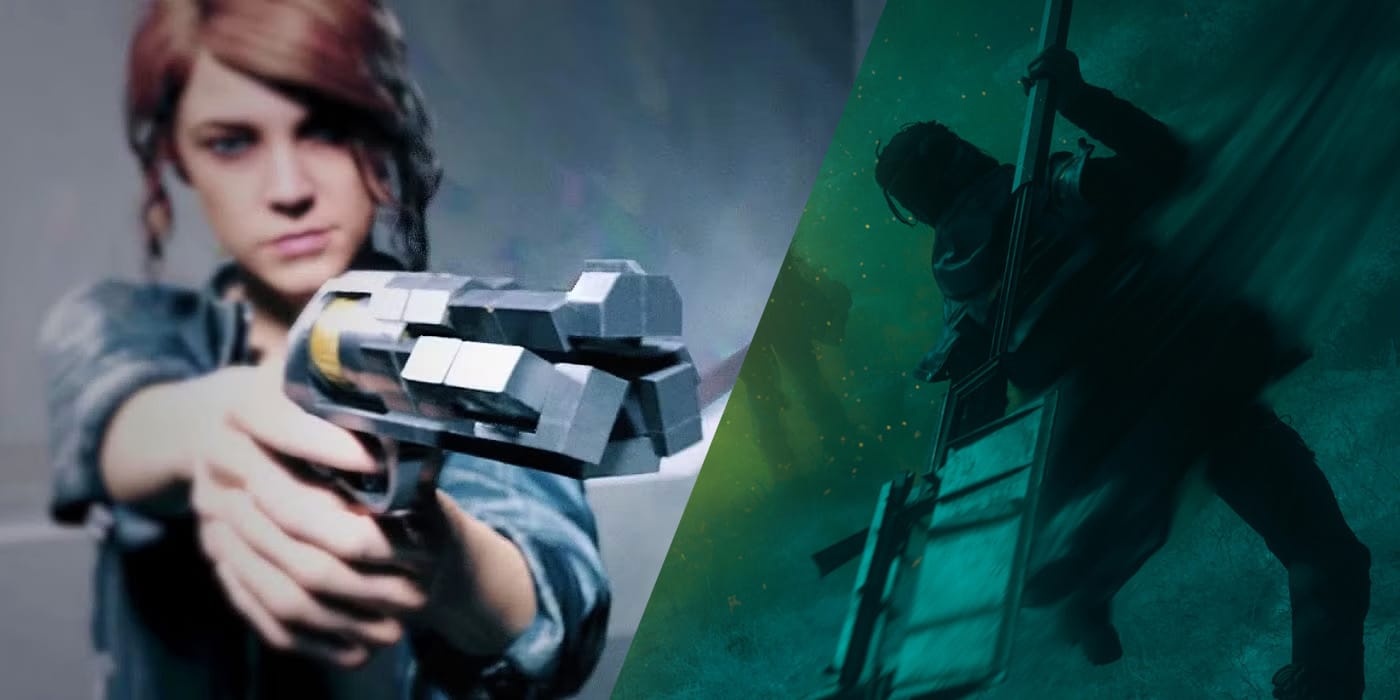
Some sequels stay comfortably in their parents' lanes, while others turn up in entirely different neighborhoods. Remedy, long known for third-person shooters, shocked players when Control's follow-up appeared to ditch the studio's usual shooting focus for something closer in spirit to character-driven action titles.
These pivots aren't rare. Bethesda's take on Fallout moved the series from isometric, turn-based roots into first- and third-person action RPGs. Helldivers moved from a twin-stick, top-down setup to a third-person shooter. Police Quest began as point-and-click detective games before transforming across isometric tactics and first-person SWAT shooters.
Other examples highlight how complete a change can be: Duke Nukem went from 2D platformer to 3D shooter, Yakuza reinvented itself as an open-world turn-based RPG with a new lead, and Syndicate was reborn from a cyberpunk RTS into a story-driven FPS.
game sequels, genre shift, remedy, control, bethesda, fallout, helldivers, police quest, duke nukem, yakuza