
Indian railways to remove bandhgala from formal staff uniform, minister says
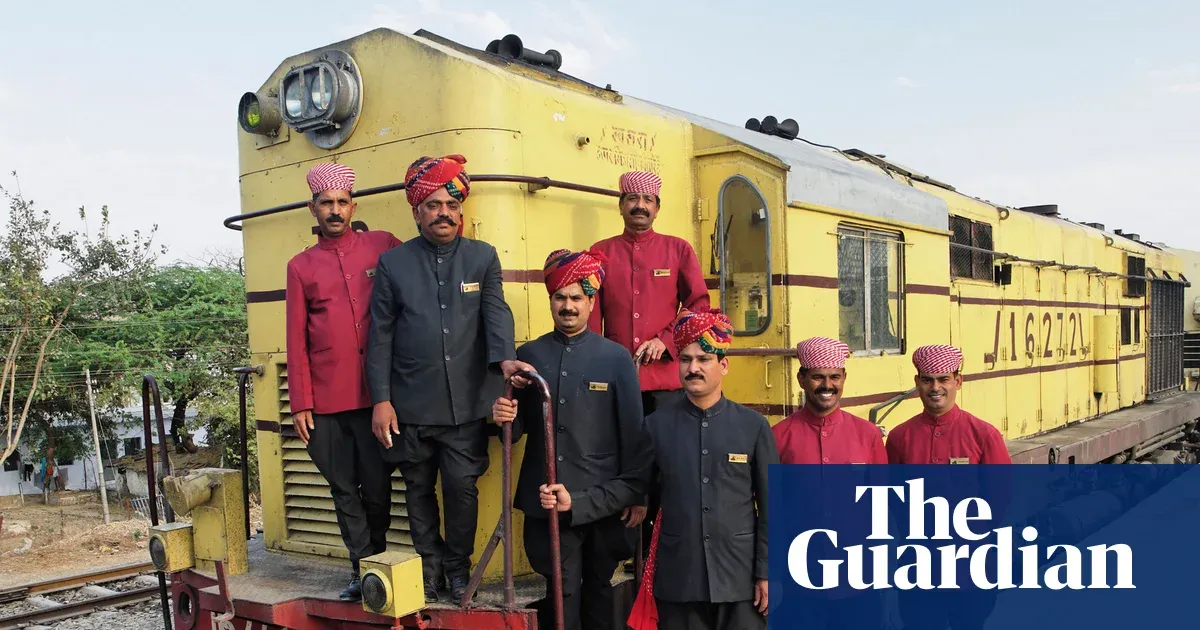
This week the Indian railways minister, Ashwini Vaishnaw, denounced the high-collared bandhgala jacket as a symbol of a "colonial mindset" and declared it will be immediately removed from the formal uniform of Indian Railways staff. The bandhgala, often called the "princely jacket", traces its history to the Mughal courts and the Rajput princely states of Rajasthan.
The jacket’s closed neckline, fitted torso and shaped shoulders first emerged under the Mughal emperor Akbar in the 16th century, later evolving in Jodhpur for riding and polo; by the 19th century it had been modified further and, according to accounts, was adopted by Indian Railways in the late 19th century, replacing more European-style frocks and tunics.
Menswear designer Raghavendra Rathore, a descendant of Jodhpur's royal family, rejected the idea that the coat is a colonial relic, calling it "India's most refined expression of royal tailoring" and saying "the jacket itself always remained Indian." Rathore did acknowledge some colonial influence on elements such as trims and tailoring.
The move sits alongside the government’s wider pledge to remove traces of a colonial legacy; Vaishnaw said, "We have to get rid of all colonial mindset. We need to find each of them and remove them, whether it’s in our working style or dressing style." The minister said the change would be immediate, and the decision has prompted debate over what will replace the bandhgala in railways dress.
Key Topics
Culture, Bandhgala Jacket, Indian Railways, Ashwini Vaishnaw, Raghavendra Rathore, Jodhpur