
Knobby-headed raptor fossil from Mexico suggests head‑butting behavior
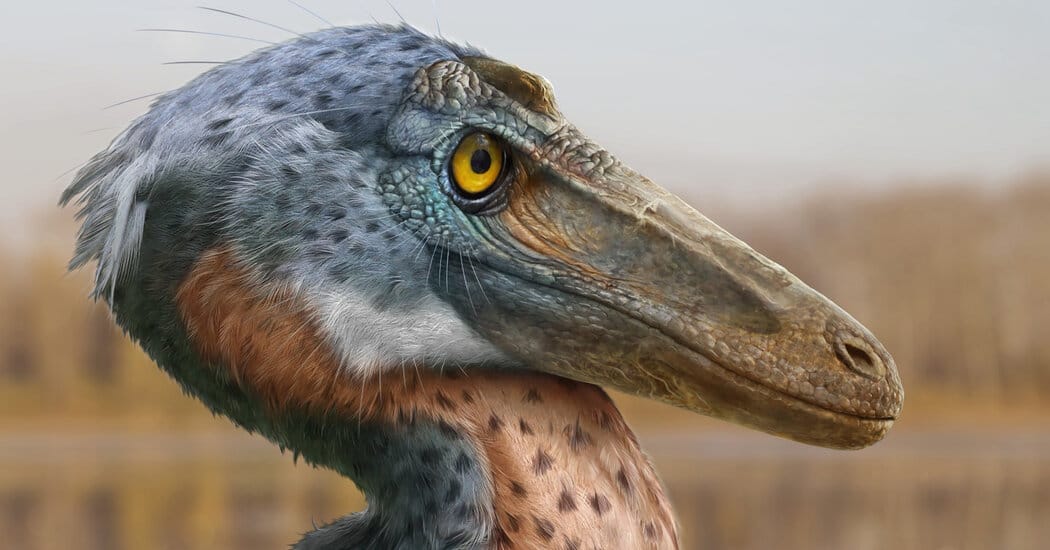
A newly described cassowary-size raptor from northeastern Mexico, named Xenovenator espinosai, possessed a knobby bump on its braincase that researchers say may have been used for head‑butting, the team reported in the journal Diversity. The fossilized braincase was discovered eroding out of the Cerro del Pueblo formation in 2000 by Martha Aguillón-Martinez.
The researchers placed the specimen in a Late Cretaceous marshy coastline environment from about 73 million years ago, an area that also hosted duck‑billed herbivores, lanky tyrannosaurs and the horned Coahuilaceratops. CT scans showed dense bones fused in zigzag patterns, nearly half an inch thick in places, with a spongy internal structure.
The authors proposed that the reinforced skull was unlikely to aid hunting and instead could be a sexually selected trait used to bludgeon rivals; Héctor Rivera‑Sylva, lead author of the paper, said Xenovenator “reminds us that dinosaur behavior was likely far more diverse and nuanced.” The bump is said to resemble domes and fortified skulls seen in pachycephalosaurs, buffalo, musk oxen, giraffes and the casque of helmeted hornbills.
Not all scientists are convinced the specimen is a troodontid. David Varricchio, who was not involved in the study, said the isolated braincase is “such a weird specimen” and that it could conceivably belong to a larger skull.
Key Topics
Science, Xenovenator Espinosai, Cerro Del Pueblo, Hector Rivera-sylva, Martha Aguillon-martinez, Troodontid