
Laura Fernández wins Costa Rica presidency in preliminary count
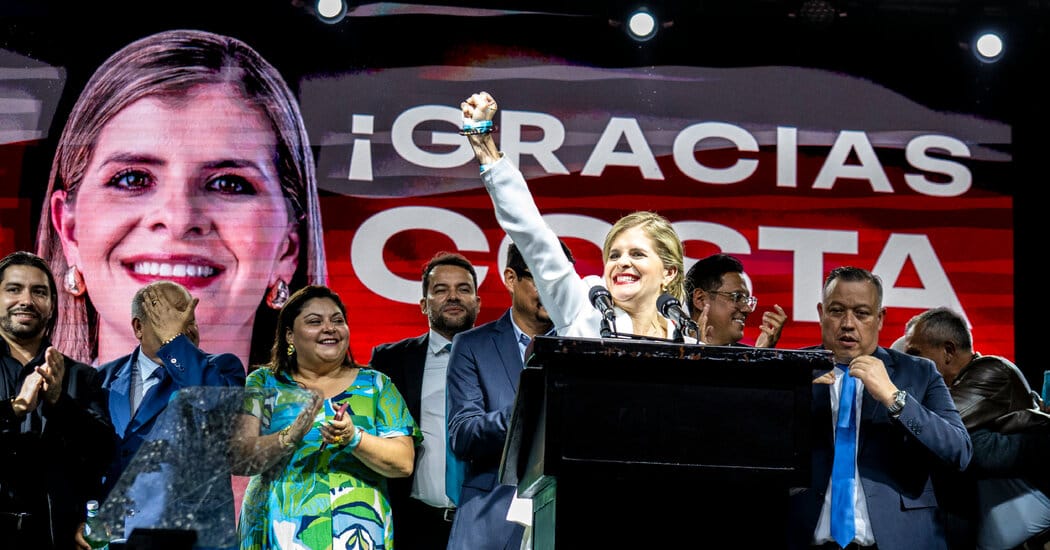
Laura Fernández, a 39-year-old political scientist handpicked by outgoing President Rodrigo Chaves, won Costa Rica’s presidential election on Sunday, according to a preliminary count of the votes, and reached the threshold needed to win in the first round. Early results showed Ms.
Fernández with nearly 50 percent of the vote, while her closest opponents trailed at about 33 percent and roughly 5 percent; as of Sunday evening about 85 percent of the country’s ballots had been processed, the report said. After the preliminary results she told Mr. Chaves in a televised video call that "your work, your legacy for the benefit of this blessed people, is in good hands,” according to the account.
Her victory will keep Mr. Chaves’s populist movement in power for at least four more years. The country’s electoral authority found last year that Mr. Chaves had used the powers of his office to campaign for Ms. Fernández, a tactic banned by the Constitution; he was ineligible to seek a consecutive term but is considered likely to receive a chief position in the new cabinet, the report said.
Ms. Fernández ran on a tough-on-crime platform as Costa Rica faces rising violence linked to transnational drug trafficking. The article says the country has recorded nearly 900 homicides a year since 2023, about 50 percent higher than before Mr. Chaves took office in 2022.
laura fernández president-elect, costa rica presidential election, rodrigo chaves influence, pueblo soberano, tough-on-crime platform, transnational drug trafficking, costa rica homicide rate, states of emergency policy, álvaro ramos technocrat, nayib bukele influence, cartago province violence, potential cabinet position