
Legal questions after U.S. seizure of Nicolás Maduro and Trump’s 'run' remark
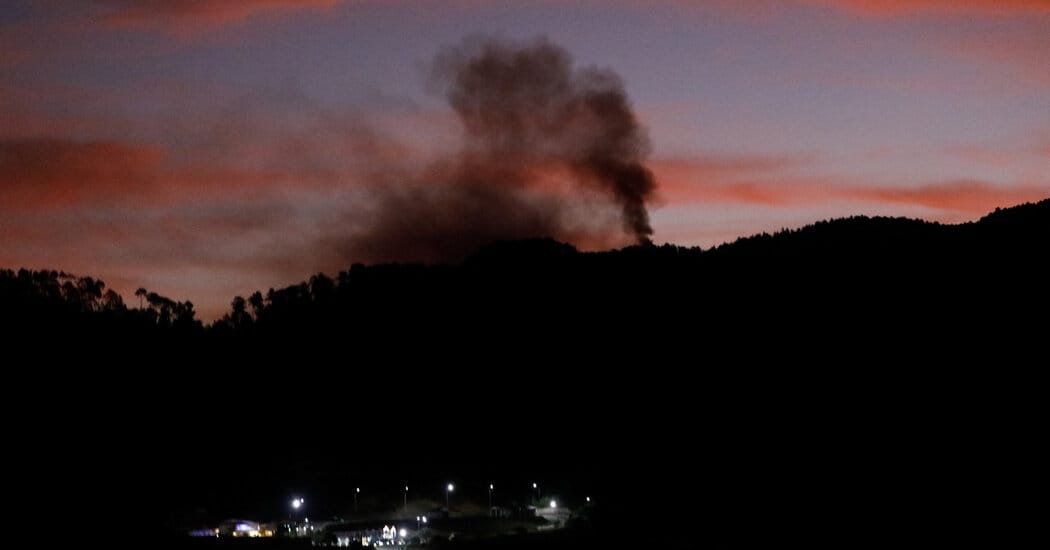
U.S. troops captured President Nicolás Maduro in a raid of a safe house in Caracas, and President Trump declared that the United States would “run the country” for now, raising novel legal issues under international law and U.S. presidential power. The Trump administration has not publicly detailed its legal reasoning.
Officials described the operation as “support” for the Justice Department, drawing comparisons to the 1989 U.S. intervention in Panama to seize Manuel Noriega. Rebecca Ingber, a former State Department lawyer, said she did not see a legal means for the United States to “run” Venezuela and called such a move “an illegal occupation under international law,” adding that it would likely require funding from Congress.
The seizure appears to implicate the U.N. Charter’s prohibition on using force in another country’s territory without consent, a claim of self‑defense, or Security Council authorization. Arresting a person to stand trial is treated as law enforcement rather than self‑defense, and the 1989 Panama action was widely condemned at the U.N.
Executive‑branch lawyers have advanced theories that presidents may have inherent authority to override some international limits; an Office of Legal Counsel opinion in the Noriega era asserted such power, a reasoning later criticized by scholars and left without a definitive Supreme Court ruling.
Key Topics
Politics, Nicolas Maduro, Donald Trump, Delcy Rodriguez, United Nations Charter, Manuel Noriega