
Mark Solms defends Freud in new book, reviewer says evidence for cure is inconclusive
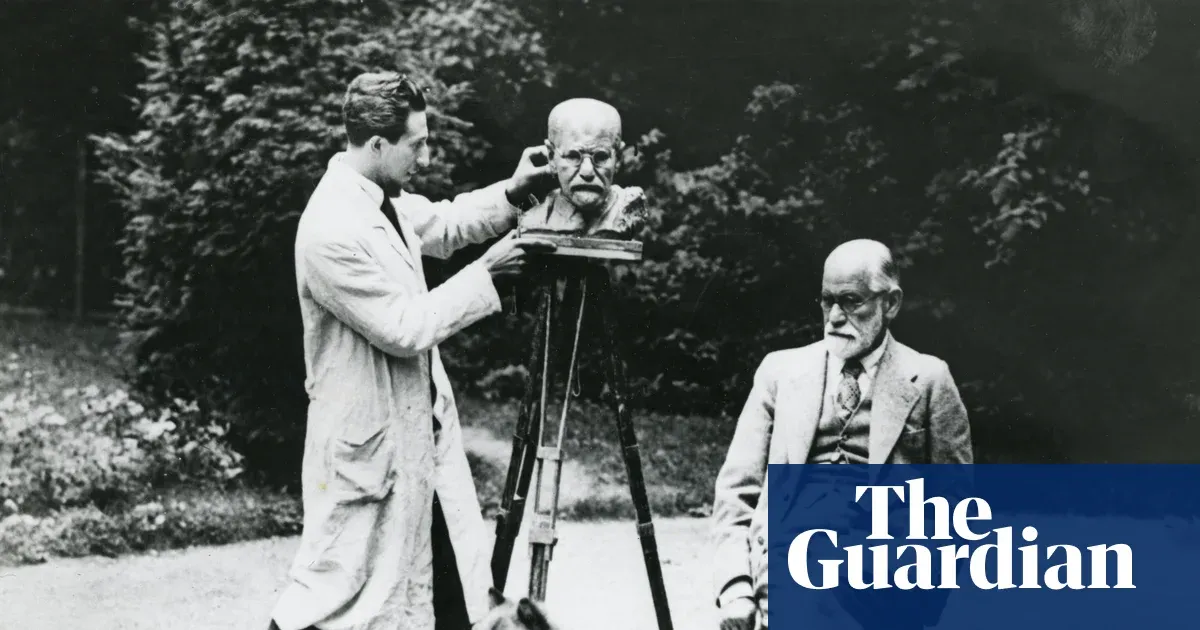
Raymond Tallis reviews Mark Solms's book The Only Cure, a wide-ranging defence of Sigmund Freud as a scientist and a healer. Solms, a neuroscientist, dream researcher, practising psychoanalyst and editor of a revised standard edition of Freud's works, argues that psychoanalysis delivers lasting cure and is the only treatment that addresses underlying causes.
Tallis sets out Solms's evidence and credentials but criticises the empirical case. He says Solms cites clinical overviews that group diverse therapies together, omits cautionary caveats from some systematic reviews, and relies on studies whose authors warned of low-quality evidence.
Tallis notes the methodological problems in psychotherapy research — for example, the impossibility of true double-blind trials and the difficulty of defining homogeneous patient populations — and concludes the jury is still out on whether psychoanalysis is uniquely curative. Solms does not dismiss pharmacology or neuroscience: he accepts drugs can complement therapy but argues they are palliative rather than curative, and he highlights Freud's early contributions to neuroscience and the hope of converging functional and physiological models.
Solms also rejects many Freudian orthodoxies (the sexual basis of all pleasures, the death drive, penis envy and the id), treats figures such as Jacques Lacan sceptically, and retains Freud's central insight about the buried, lasting effects of early-life experiences.
Key Topics
Culture, Mark Solms, Sigmund Freud, Psychoanalysis, Raymond Tallis, Neuroscience