
NASA: La Niña limited global sea level rise in 2025
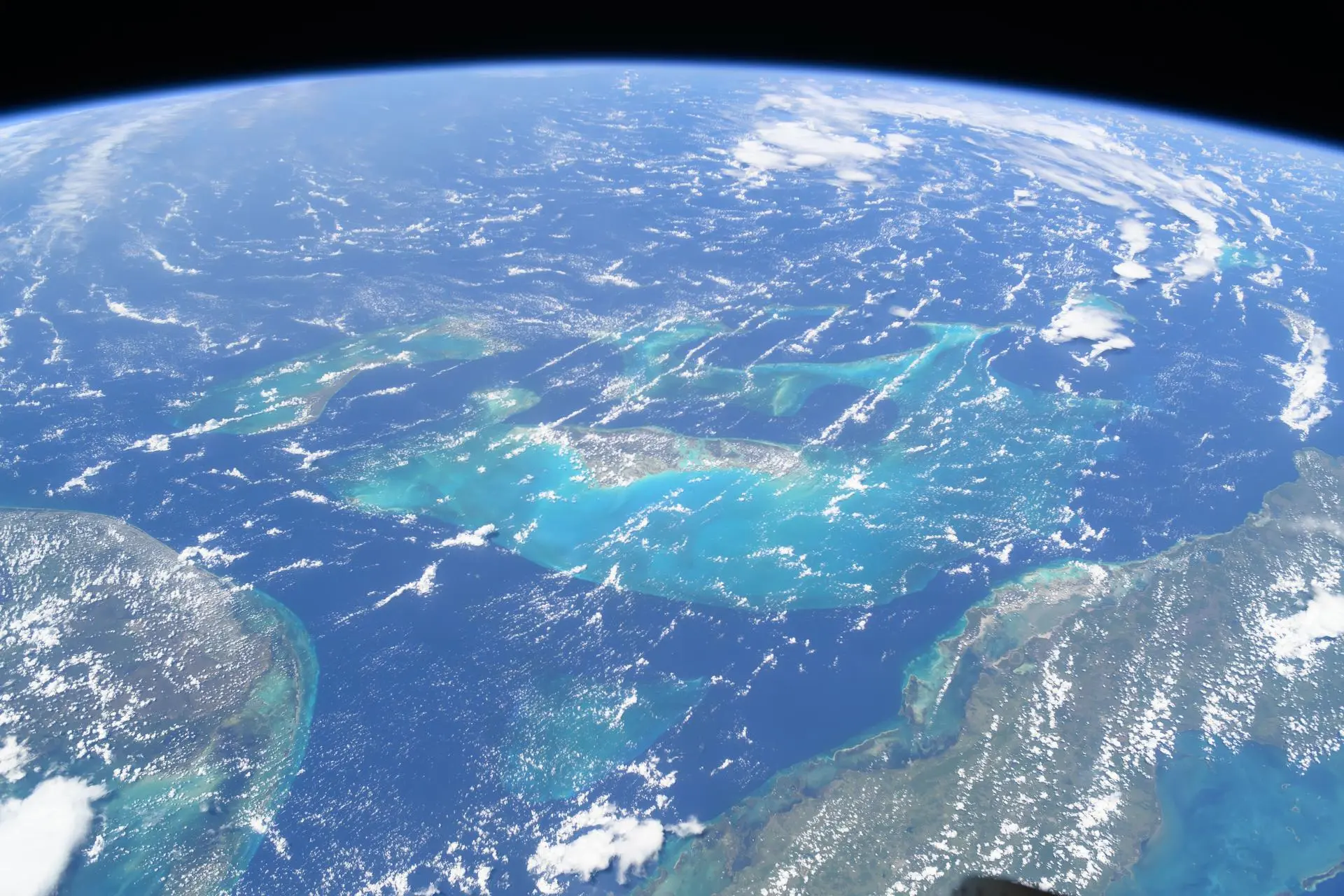
According to a NASA analysis, a mild La Niña limited the rise in global mean sea level in 2025, with the average ocean height increasing 0.03 inches (0.08 centimeters) in 2025, down from 0.23 inches (0.59 centimeters) in 2024. The analysis says La Niña brought greater rainfall over the Amazon basin, shifting water from the oceans to land and temporarily lowering sea levels.
GRACE-FO satellite data indicated an outsize amount of water moved into the Amazon basin even as ice loss from glaciers and ice sheets continued to move water toward the oceans. At the same time, Argo ocean-probe measurements showed record warming of the oceans in 2025. NASA scientists say the heavier Amazon rainfall and the record ocean warming worked in opposite directions, producing an average sea level rise last year that was below the long-term expected rate of 0.17 inches (0.44 centimeters) per year based on the record since the early 1990s.
Nasa notes that Sentinel-6 Michael Freilich served as the current official reference satellite for sea level measurements, part of a continuous series that began with TOPEX/Poseidon in 1992. Sentinel-6B will take over in coming months and is expected to continue measurements for at least five years.
The dataset indicates average global sea level has risen about 4 inches (10 centimeters) since 1993 and that the annual rate of rise has more than doubled over that period. NASA researchers flagged the short-term nature of the La Niña effect.
nasa, la niña 2025, global mean sea level, sea level rise 2025, amazon basin rainfall, grace-fo data, argo measurements 2025, sentinel-6 michael freilich, sentinel-6b, topex/poseidon 1992, jason-3, record ocean warming, glacier and ice sheets, thermal expansion oceans, sea level dataset, annual rate of rise, 4 inches since 1993, jet propulsion laboratory, josh willis quote, nadya shiffer, sea level monitoring satellites, amazon water storage