
NASA Libera instrument completes testing, ready for delivery
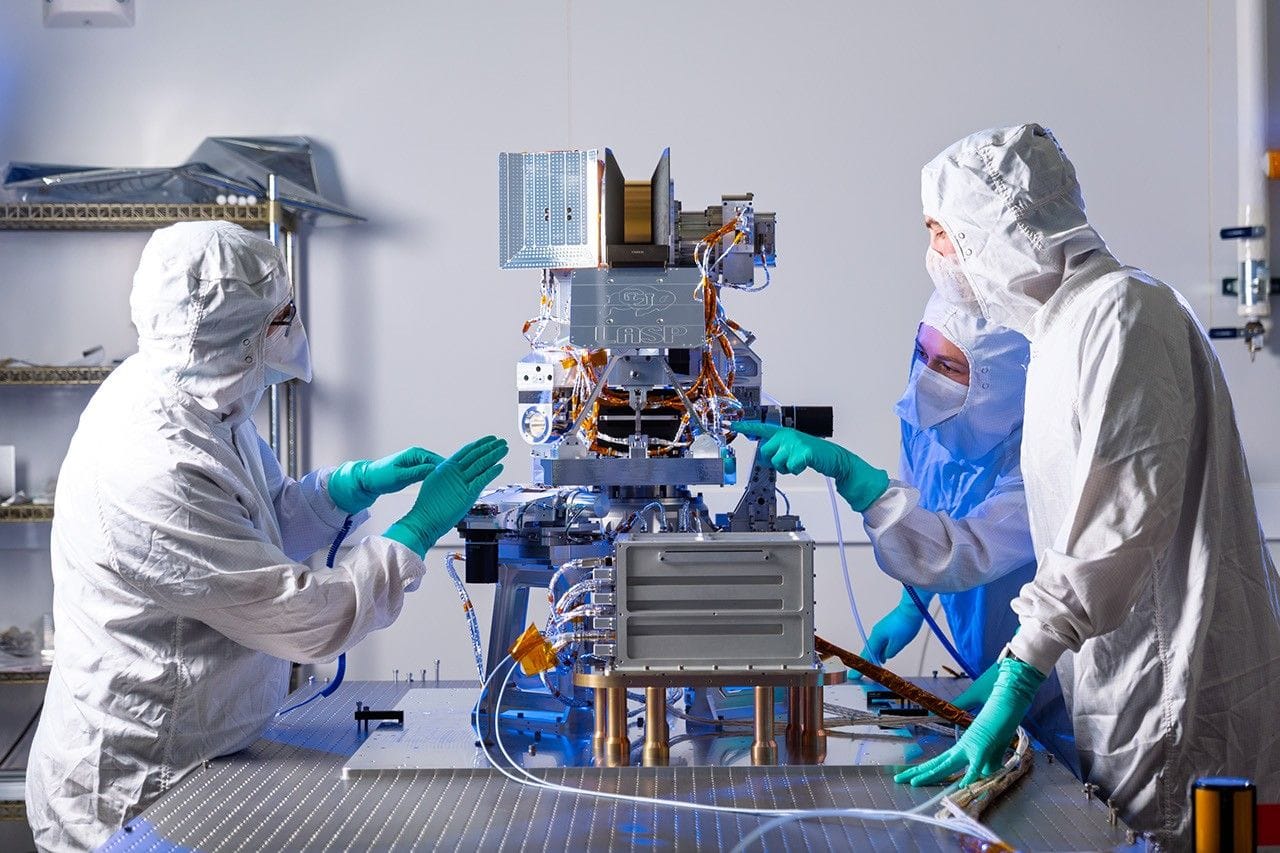
NASA’s Libera instrument, designed to maintain the global data record of Earth’s radiation budget, has completed comprehensive environmental testing and is ready for delivery. Thermal vacuum tests simulated the temperatures and environments Libera will experience in space. The instrument will fly on the Joint Polar Satellite System-4 (JPSS-4) satellite, targeted for launch in 2027 and to be named NOAA-22 once in orbit.
Libera was developed and built by the University of Colorado Boulder’s Laboratory for Atmospheric and Space Physics (LASP) after being selected as the first Earth Venture Continuity mission, a NASA program for maintaining key Earth science measurements at lower cost. The testing milestone is presented as a critical step toward integrating the instrument with the JPSS-4 spacecraft.
Libera will continue the long-term record of Earth’s radiation budget established by the Clouds and the Earth’s Radiant Energy System (CERES) instruments. That CERES series first flew on the Tropical Rainfall Measuring Mission in 1997 and continued on the Terra, Aqua, Suomi National Polar-orbiting Partnership, and NOAA-20 satellites.
The Libera name references the daughter of Ceres in Roman mythology, acknowledging those predecessors. According to the announcement, Libera will be the fifth and final instrument delivered to Northrop Grumman in Gilbert, Arizona, for installation onto JPSS-4.
libera instrument, libera thermal vacuum tests, libera delivery to northrop grumman, jpss-4 satellite, noaa-22, earth radiation budget, university of colorado boulder lasp, earth venture continuity mission, ceres instrument series, jpss-4 launch 2027, northrop grumman gilbert arizona, visible infrared imaging radiometer suite