
NASA Samples Antarctic Water to Inform Search for Life on Icy Worlds
Researchers Mariam Naseem and Marc Neveu of the University of Maryland and NASA’s Goddard Space Flight Center collected seawater at the tip of the Antarctic Peninsula to study conditions analogous to oceans beneath ice on worlds such as Europa and Pluto. Those subsurface seas can contain carbon, nitrogen, and chemical energy, prompting the question of whether hidden oceans could support microorganisms.
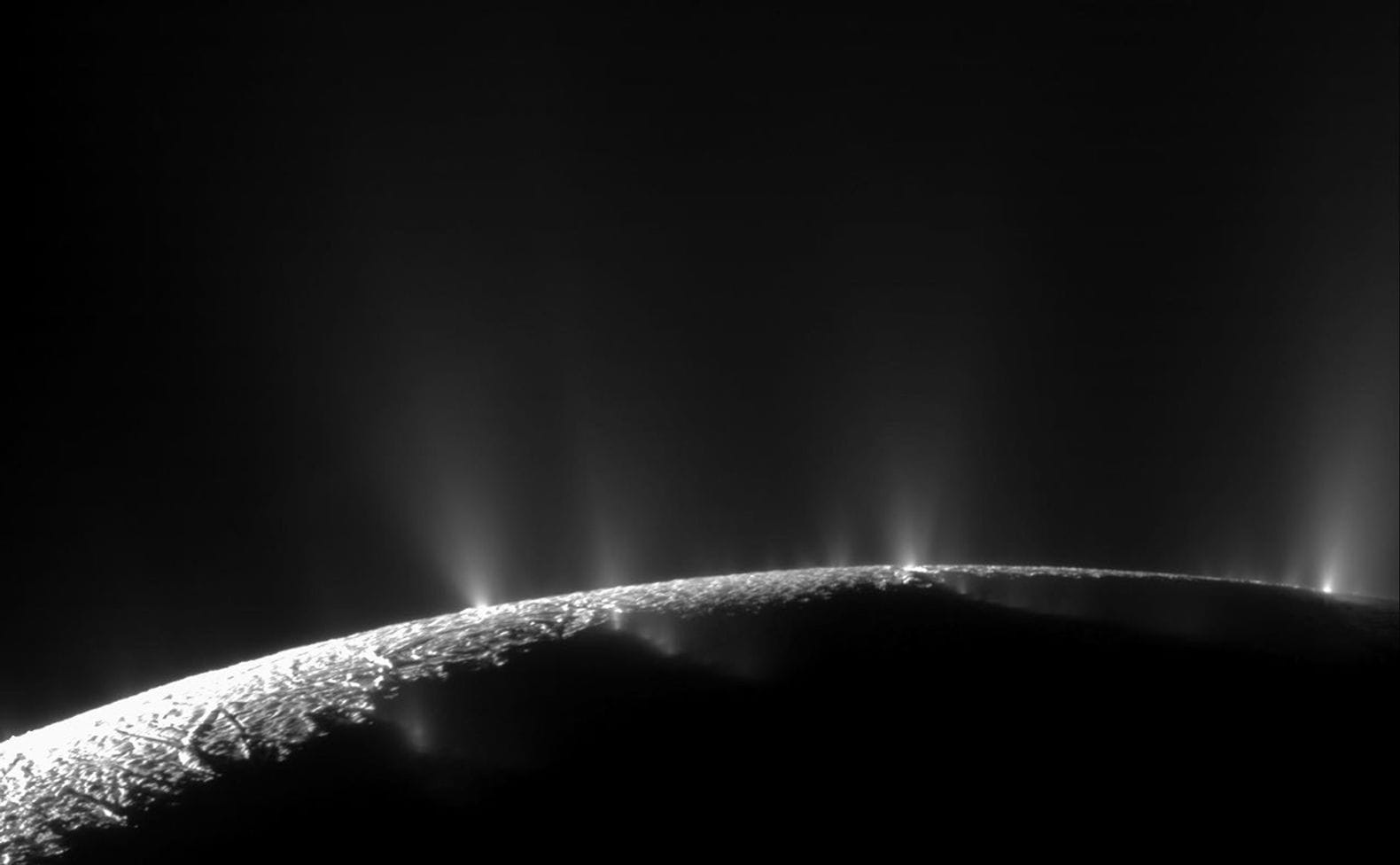
On Saturn’s moon Enceladus, subsurface water can erupt into space through cryovolcanism, allowing spacecraft to sample ocean material without drilling. The process of rapid freezing or vaporization, however, can alter organic molecules like amino acids. To study these effects, Naseem and Neveu use the Simulator of Ocean World Cryovolcanism, which injects liquid water into a vacuum chamber.
Since 2022 they have tested solutions of organics and salts and are now extending the work to natural Antarctic samples.
nasa, antarctic peninsula, seawater, subsurface ocean, europa, enceladus, cryovolcanism, amino acids, organic molecules, vacuum chamber