
NOAA to map seafloor near American Samoa to aid mineral prospecting
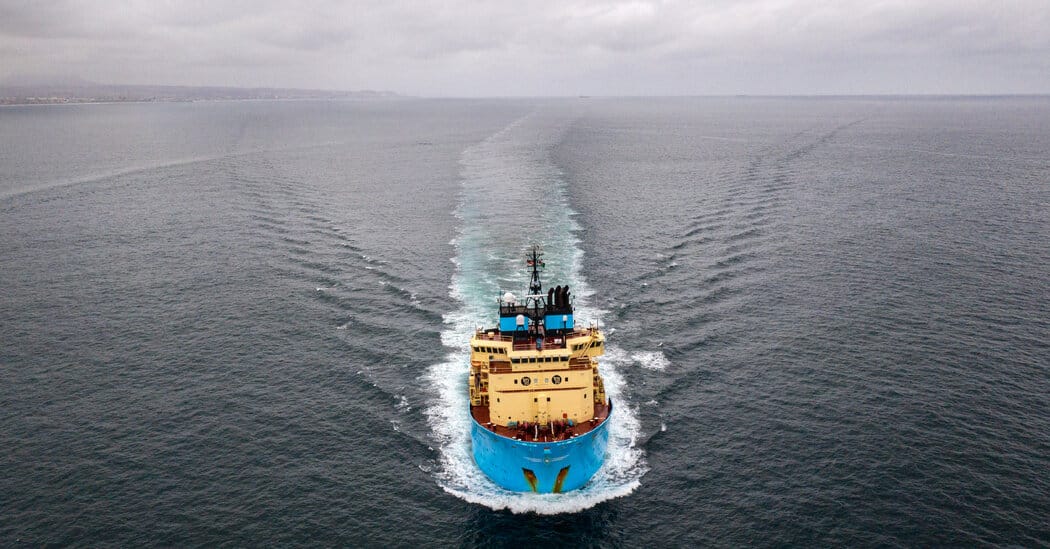
The National Oceanic and Atmospheric Administration announced a survey beginning next month to map seafloor mineral deposits near American Samoa, a move the agency frames as shifting from scientific exploration toward supporting private companies prospecting the Pacific. Deep-sea mining targets potato-sized nodules that contain manganese, cobalt, nickel and copper used in high-tech equipment such as electric vehicle batteries and weapon systems, but commercial seabed mining has not yet started and conservation groups and scientists warn it could significantly damage marine environments.
The Trump administration has pushed to fast-track the nascent industry and urged NOAA to prioritize processing the first commercial seabed mining permits; Erik Noble, a NOAA deputy assistant secretary, said, "What an exciting time to know that within the next few years, under this administration, there will be companies pulling deep sea nodules out of the ocean and bringing them to the U.S.," at an industry conference.
On Thursday NOAA awarded a $20 million contract to NV5, a Florida-based engineering firm, for the survey of about 30,000 square miles adjacent to the Rose Atoll Marine National Monument, a coral habitat that supports hundreds of marine species and protected sea turtle nesting grounds.