
Nunavut defence lawyer says a gun-forensics finding exposed the fallibility of memory
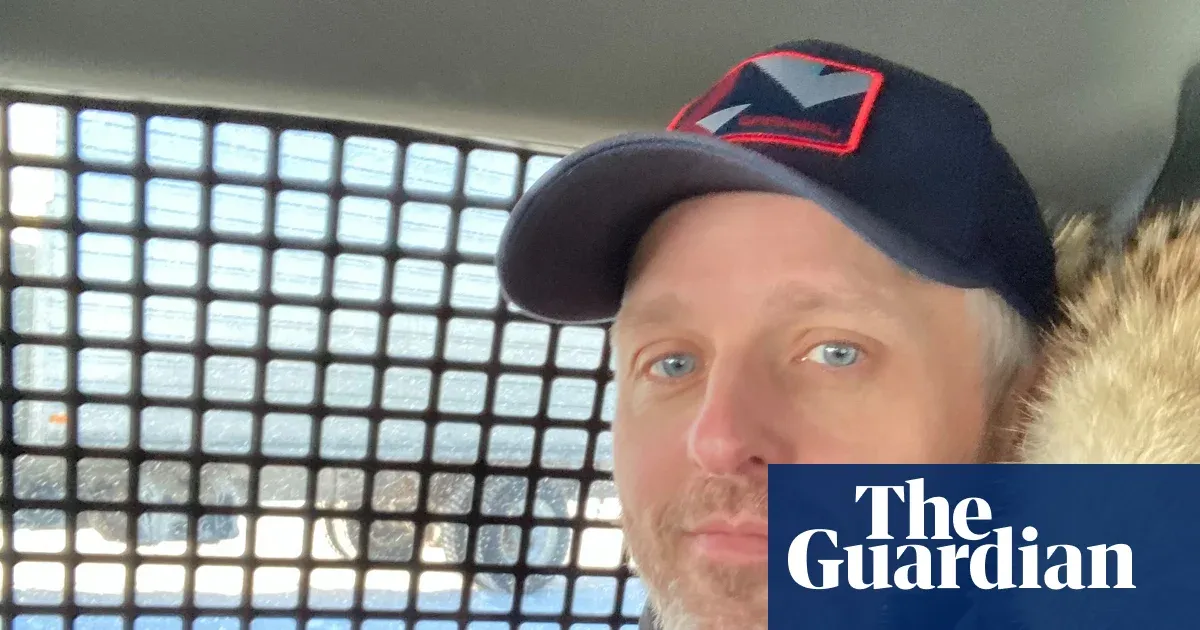
A criminal defence lawyer who worked for nearly 20 years in Nunavut describes how a client accused of firing a rifle at a parked car was cleared of the most serious charges after forensic analysis showed the weapon had never been fired. The lawyer recounts practising in the remote Canadian territory—roughly the size of western Europe with fewer than 40,000 people, most Inuit—where there are no roads between 26 communities and circuit courts set up in gymnasiums several times a year.
In the case, sober witnesses said they had seen the accused walk out with a rifle and shoot at a vehicle, and police reports noted glass damage consistent with bullets and the smell of gun smoke. A late forensic report, however, showed the gun was inoperable and had never been fired; the accused had used a broken rifle as a blunt instrument and the more serious charges were dropped.
The lawyer says the episode revealed how malleable perception and memory can be: the witnesses truly believed they had seen a man fire a gun, their fear reshaped their recollections, and the experience made the lawyer wary of eyewitness evidence. It also prompted reflection on a personal, long-hidden trauma—a near‑drowning in youth that led to night terrors and a lifetime of challenging water rather than seeking help.
Shortly before the pandemic the lawyer began therapy, revisiting the drowning and using breathwork to reframe the memory. The night terrors ended and overall mental health improved dramatically.
Key Topics
Culture, Nunavut, Inuit, Forensic Analysis, Eyewitness Testimony, Rifle