
Patrick Charnley’s debut novel follows a young man’s recovery in Cornwall
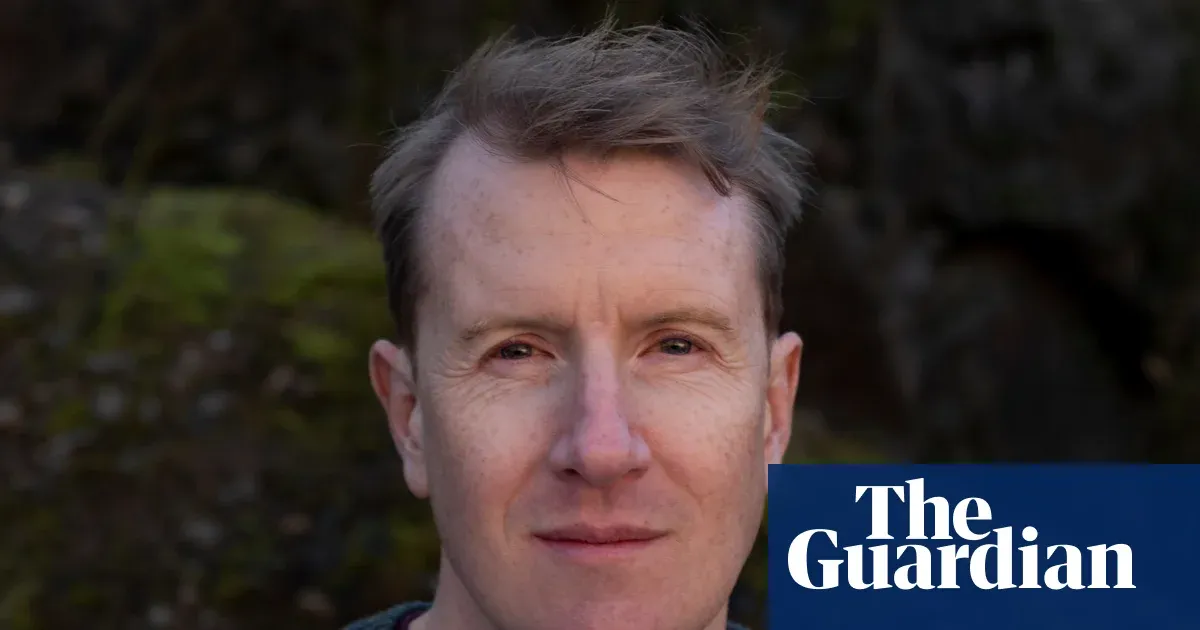
Patrick Charnley’s debut novel This, My Second Life follows Jago Trevarno, a 20-year-old narrator who, after a cardiac arrest that left him clinically dead for 40 minutes, retreats to the Cornish village where he grew up to live with his “off-gridder” uncle, Jacob.
Jago’s mother is dead of cancer and his father has long gone; his city life, described as “a runaway train”, evaporates as he takes on the hard labour of a subsistence farm high above the Atlantic. The injury has left him with “reduced processing power” and a marked retreat from intense emotion, while Jacob is kindly, protective and taciturn. Their days are governed by weather, animals, the seasons and daylight, and as Jago’s condition improves the novel raises the question of whether he can remain in that stasis.
The review notes the book is prefaced with the author’s own statement about cardiac arrest and brain injury and that Charnley, the son of the late writer Helen Dunmore, has also lost a mother relatively young to cancer, but it warns against reading the novel only as personal trauma. The prose is described as “spare and beautiful”, luminous in its attention to sensory detail, and Jago’s distinctive voice is called “true and clear and entirely convincing”; the plot pushes him toward a decision about whether to retreat or engage when neighbours, most notably the menacing Bill Sligo, begin to intrude on Jacob’s land above an old mineshaft.
Key Topics
Culture, Patrick Charnley, Cornwall, Jago Trevarno, Helen Dunmore, Bill Sligo