
Paul Robeson’s fall from fame and ongoing erasure 50 years after his death
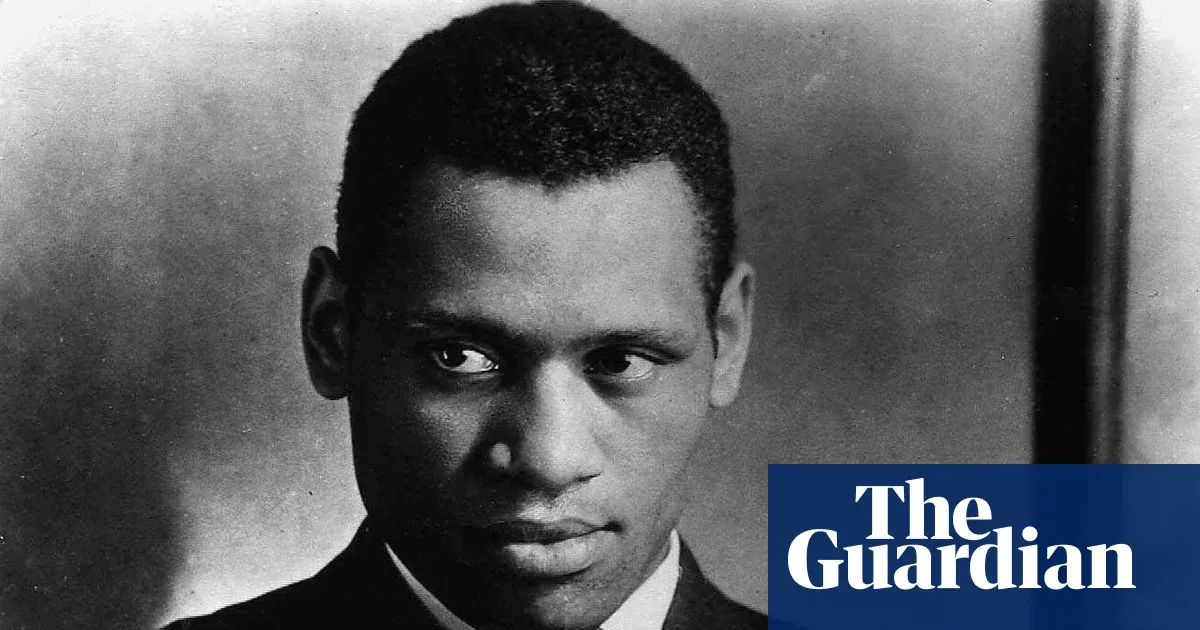
This week marks 50 years since Paul Robeson’s death, yet the singer, actor and activist remains largely erased from the American cultural lineage, according to an essay adapted from Howard Bryant’s book. A 1972 New York Times arts-section headline, Time to Break the Silence on Paul Robeson?, signalled earlier attempts to revisit his legacy, but the silence has persisted.
Robeson’s accomplishments were vast: in 1943 he became the first Black man to play Othello in the United States, his 296-performance run remains a Broadway record for Shakespeare, and he was once arguably the most famous Black American in the world. He was a two-time All-American at Rutgers, graduated from Columbia Law, played two years as an NFL defensive end, and later became a world-renowned concert singer and stage and film actor.
His influence forged a lineage of Black performers ranging from Lena Horne to Denzel Washington, the piece says. The essay attributes Robeson’s fall to his refusal to denounce the Soviet Union as Cold War tensions rose. He was isolated by the white mainstream and by leading Black organisations such as the NAACP and the Urban League, who feared communist branding.
Jackie Robinson testified against him to the House Committee on Un-American Activities in 1949; riots at Robeson concerts in Peekskill and combined national and federal pressure effectively ended his standing.
Key Topics
Culture, Paul Robeson, Peekskill Riots, Jackie Robinson, Naacp, Urban League