
Paul Taylor’s Esplanade Celebrates 50 Years of Ordinary Movement
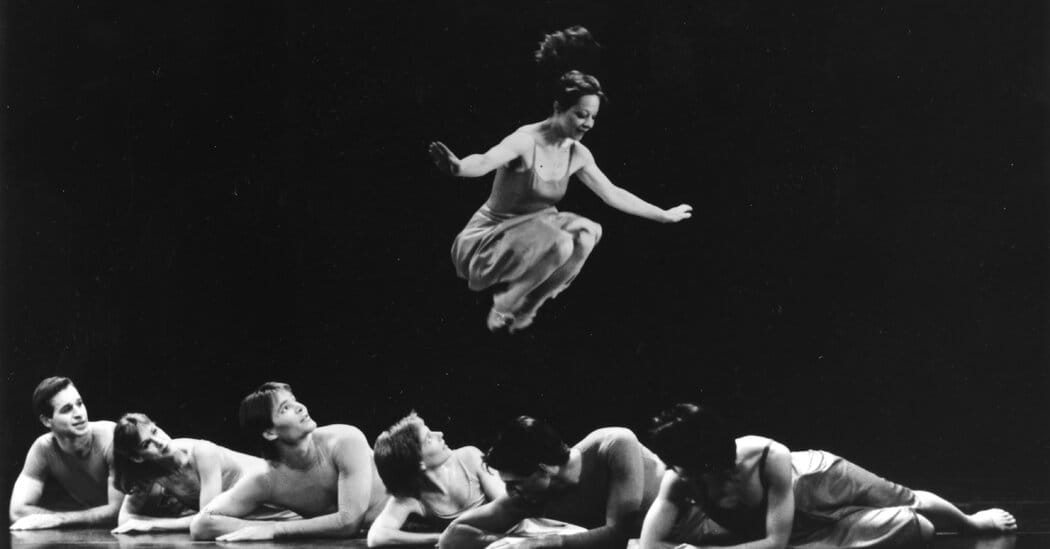
Paul Taylor’s Esplanade is being marked at its 50th anniversary as a landmark of modern dance, praised in a New York Times appreciation for turning everyday gestures into an electrifying stage work set to Bach. The piece, first conceived while Taylor watched a woman chase a bus, studies ordinary movement — walking, running, jumping and sliding — and deploys an ensemble of eight dancers (with a ninth in the second movement) who unite and splinter to amplify space and music.
Taylor’s process for Esplanade was unusual for him: he labored over it, and original cast members recalled both the risk of the slides, which produced bruises, and his doubts as he broke new ground. The work unfolds in distinct sections: a long, intricate opening of floor-skimming walks and patterns that "baptize the space," a hushed second section known as "the conversation," a faster third movement with leaps and a solo originally danced by Carolyn Adams, and later a solo created for Ruth Andrien that the company remembers as a thrilling moment.
A later passage, called "the passion and the pain," nods to modern-dance history; Michael Novak, the company’s artistic director, called it wild, saying, "That’s passion and the pain. It has this wildness to it." At 50, Esplanade is described as a modern masterpiece that introduced a new movement language and "eradicates the line between dancer and viewer," revealing the dancers "undisguised" and making audiences feel they are participating.
Key Topics
Culture, Paul Taylor, Esplanade, Bach, American Dance Festival, Modern Dance