
Paulo Antonio Paranaguá collects Latin America’s history in 100 photographs
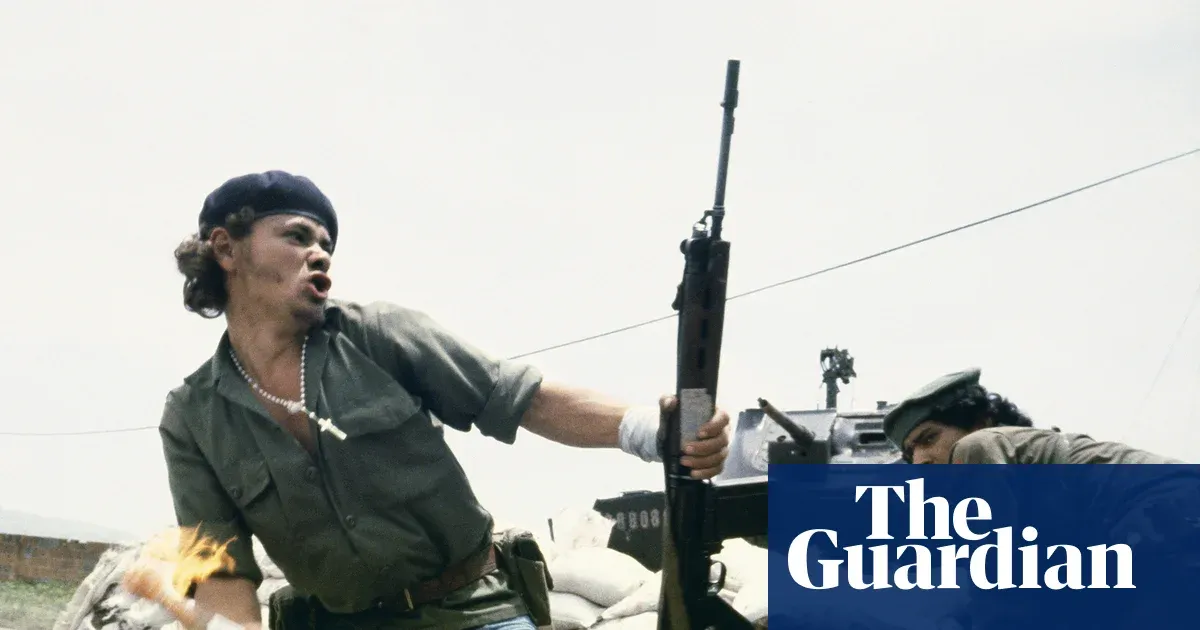
Historian and journalist Paulo Antonio Paranaguá has assembled História da América Latina em 100 Fotografias, a book that uses a century of images to build a transnational narrative of Latin America that emphasises cultural, social and anthropological history alongside politics. Born in Rio de Janeiro in 1948, Paranaguá grew up between Buenos Aires and Madrid, became active in the 1968 protests in Paris and later faced imprisonment and exile in Latin America.
He began photographing in 1968, worked as a correspondent for Jornal do Brasil and for outlets including Radio France Internationale and Le Monde, and has published on Latin American cinema; in 2017 he co-authored History of Brazil in 100 Photographs and for this new project he worked alone, saying he needed more control to tell the story of Latin America.
The book rejects purely national histories and covers Indigenous peoples, colonisation, slavery, migration and even the non‑Latin Caribbean. Paranaguá foregrounds less familiar views — for example presenting the Mexican Revolution through images of female soldiers and the Trujillo era through the Mirabal sisters rather than portraits of dictators — and highlights archival findings such as a published photograph of Che Guevara’s body that came from Buenos Aires rather than Bolivia.
Key Topics
Culture, Paulo Antonio Paranaguá, Latin America, Mirabal Sisters, Che Guevara