
Physiotherapists set out everyday steps to protect pelvic floor health
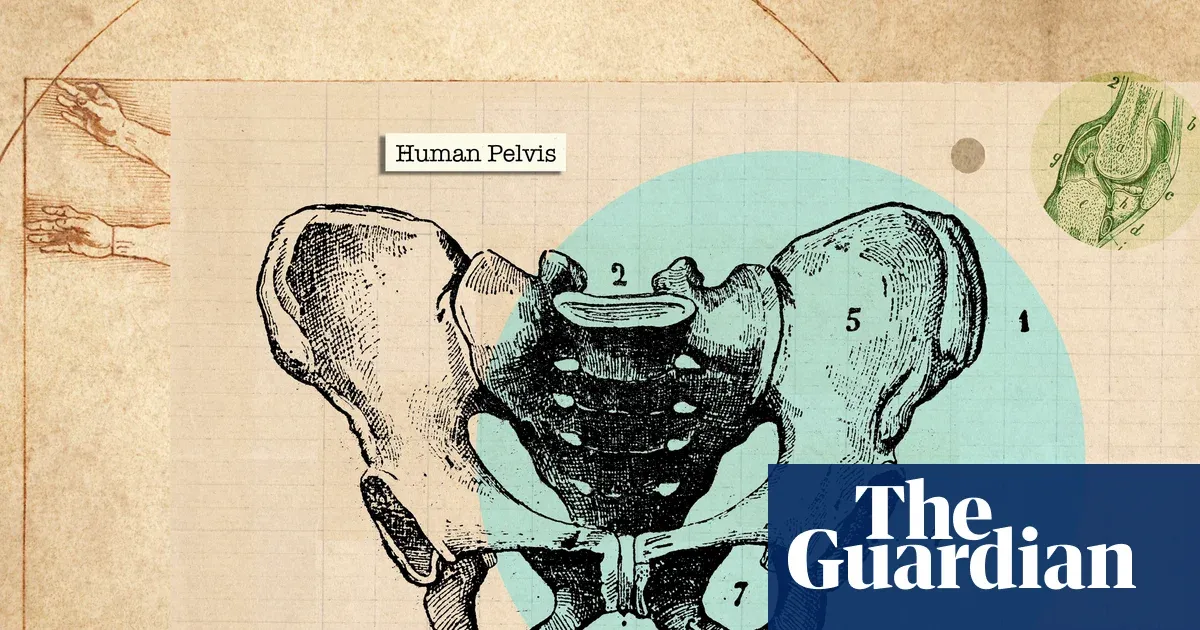
Australian physiotherapists and researchers have outlined practical daily strategies to maintain pelvic floor health and warned against common mistakes such as constant clenching or over-engaging the core. The pelvic floor comprises the muscles at the base of the pelvis and, as Lisa Birmingham describes, “everything above it, including ligaments”; it extends from the pubic bone to the coccyx and helps support the bladder, bowel and, in females, the uterus.
Shan Morrison says pelvic health is important for all genders and ages and that “ten per cent of men experience persistent pelvic pain at some stage.” Experts recommend learning to find the muscles, practising controlled squeezes and releases, and also learning to relax. Birmingham describes a two-part movement for women—“squeeze at the front as if you’re holding onto a wee and an anal squeeze at the back which feels like a lift”—and Morrison suggests men “lift up the testicles”; both suggest aiming for about 10 repetitions of 5–10 second holds.
Birmingham and others also advise using “the knack” (bracing before a cough or sneeze) and habit-stacking to build it into daily routines. They warn that constipation and straining are major stressors—Dr Millie Mardon says “the rectum is not a storage facility”—and suggest measures such as using a footstool to reduce straining, avoiding going to the toilet “just in case,” increasing fibre and fluid intake, and adding legumes and colourful fruits and vegetables to the diet.
Key Topics
Health, Pelvic Floor, Lisa Birmingham, Shan Morrison, Millie Mardon, Diaphragmatic Breathing