
Pillbug trade online fuels poaching of rare isopods, scientists warn
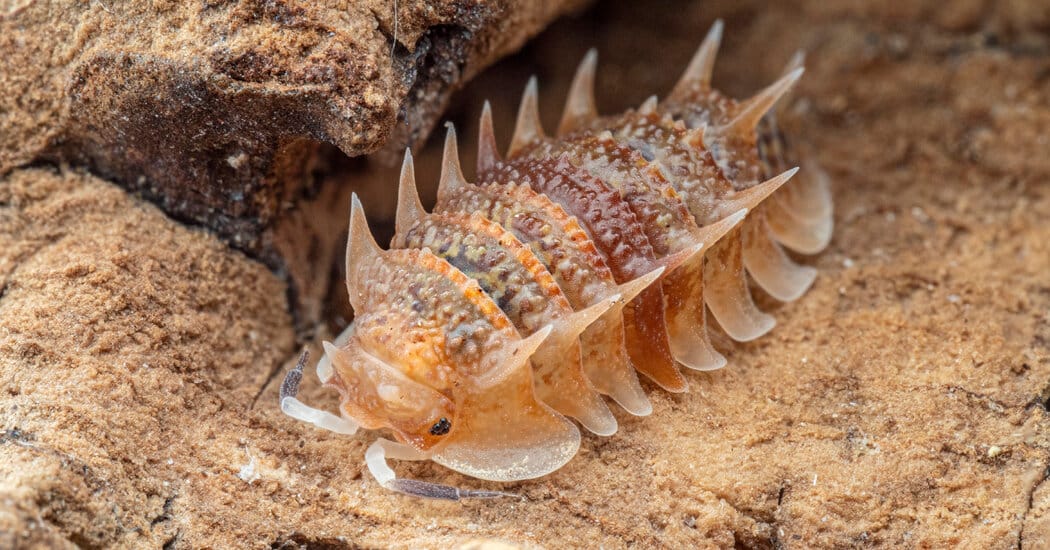
Researchers warn that a robust, largely unregulated online trade in isopods — small terrestrial crustaceans also called pillbugs or roly-polies — is driving poaching and could threaten vulnerable species, the New York Times reported Jan. 28, 2026. At a recent pet expo in White Plains, N.Y., collectors were selling Cuban Spiky isopods for as much as $350.
The Cuban Spiky, Pseudarmadillo spinosus, is about the size of a pinkie fingernail, has rows of sharp spines that line its exoskeleton "like dragon scales," and is known to exist only in a small Cuban nature reserve, the article said. Researchers say the species is illegal to import without a special permit and think it may be critically endangered.
Thousands of enthusiasts in online communities around the world are collecting and breeding different varieties of isopods, with popular names like Rubber Ducky, Panda King and Silver Ghost, the report said. "I always compare it to Pokémon," said David Vargas, who breeds isopods and runs Holy-Poly Isopods in Wildomar, Calif.
A paper published in October in the journal Conservation Biology, the article said, warned that demand for live specimens is leading some sellers to poach isopods from protected areas and could lead to extinctions from overcollecting or from invasive species supplanting native isopods.
cuban spiky
pseudarmadillo spinosus
cuban spiky price
white plains pet expo
holy-poly isopods
david vargas
wildomar california
isopod online trade
isopod poaching
panda king isopod
rubber ducky isopod
silver ghost isopod
illegal to import isopods
special import permit
conservation biology paper
sebastian echeverri
xerces society
pallieter de smedt
ghent university
inaturalist app
agriculture department regulation
ebay isopod listings
facebook instagram trade
invasive isopod species
isopod captive breeding
protected nature reserve
overcollecting extinction risk
isopod conservation status