
Politics and human rights cast shadow over 2026 World Cup
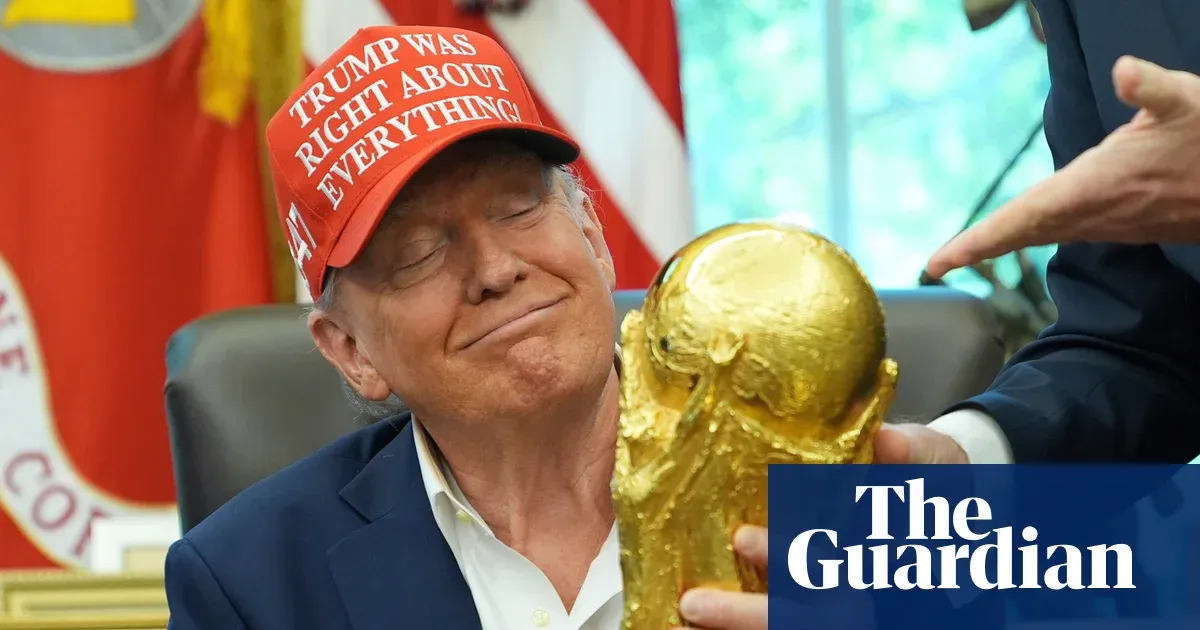
Five months before the World Cup, politics and human rights concerns are entwined with the tournament. The host country, the US, faces scrutiny over armed immigration officials in its cities and stepped-up visa restrictions for visitors; Iran, a qualifying nation, is in the midst of a public uprising and a regime response; other qualifiers prompt worries about democratic backsliding in Tunisia, ecological crimes in Ecuador and the conduct of a future host, Saudi Arabia.
The debate is not new. Amnesty International’s campaign around the 1978 Argentina World Cup — under the slogan 'Football yes – torture no' — pushed for access to prisons and transparency about arrests and disappearances, and prompted public debate and at least one player, Paul Breitner, to refuse to play.
Steve Cockburn of Amnesty said the campaign aimed to raise issues with specific demands rather than to call for a boycott. Since then governing bodies have changed how they present their responsibilities. After the 2008 Olympics and later controversies, Fifa adopted UN guiding principles on business and human rights in 2016 and has sought to protect its autonomy even as it has faced criticism for human rights failings and for awarding tournaments to countries including Russia and Qatar amid accusations of neglect.
Key Topics
Politics, World Cup, Fifa, Iran, Amnesty International, Human Rights