
Poll: Americans say ‘affordability’ means rising cost of a middle‑class life
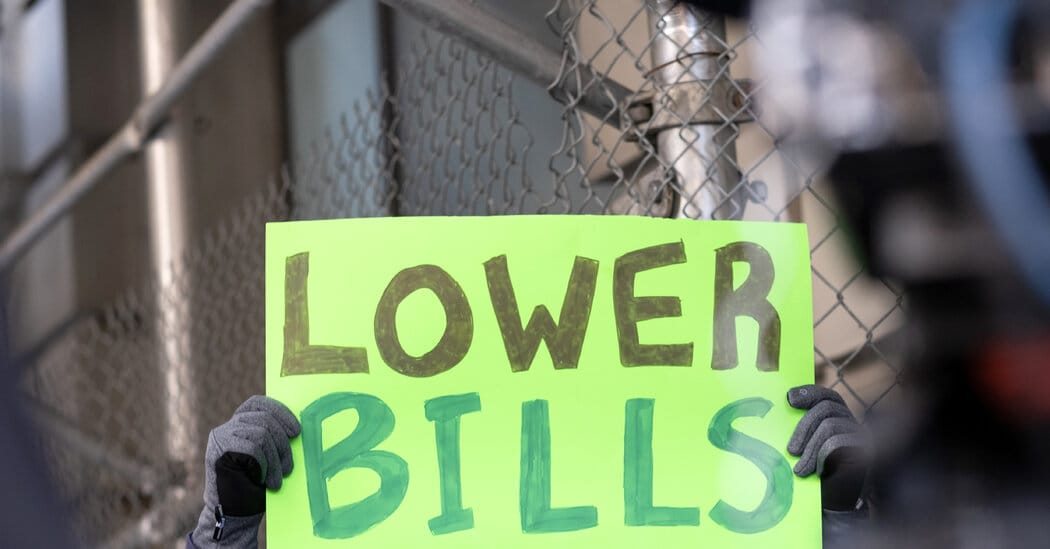
The latest New York Times/Siena University poll finds that many Americans define “affordability” as the rising price of entry to a middle‑class life — buying a home, paying for child care, college and health care, saving for retirement — and by a two‑to‑one margin say a middle‑class life is out of reach for most Americans, the poll says.
When asked what they worried most about affording, 51 percent of voters named a major middle‑class essential such as housing, raising children, health care or retirement, compared with 23 percent who cited monthly bills and other routine expenses, the poll reports. Another 10 percent mentioned other items, while 16 percent said they did not worry about affording anything.
The poll highlights why there can be a disconnect between standard economic measures — like growth or unemployment — and public concern about affordability. The piece notes that costs for housing, child care, health care and education have been rising for decades and that those big‑ticket items often have relatively inelastic supply and demand, making them less responsive to policies aimed at slowing inflation.
Younger adults expressed markedly greater pessimism about affordability.
new york times siena university poll
affordability crisis
middle-class affordability
cost of housing
child care costs
health care costs
cost of college
saving for retirement
mortgage costs
student loan costs
consumer price index
inelastic supply and demand
younger adults pessimism
voters under 45
middle-class essentials
housing affordability crisis
economic growth disconnect
unemployment and jobs
education costs
medicare
donald j trump
big ticket necessities
monthly bills concerns
poll findings affordability
affordability policy challenges