
Public climate‑risk tools are being removed as homeowners lose access to data
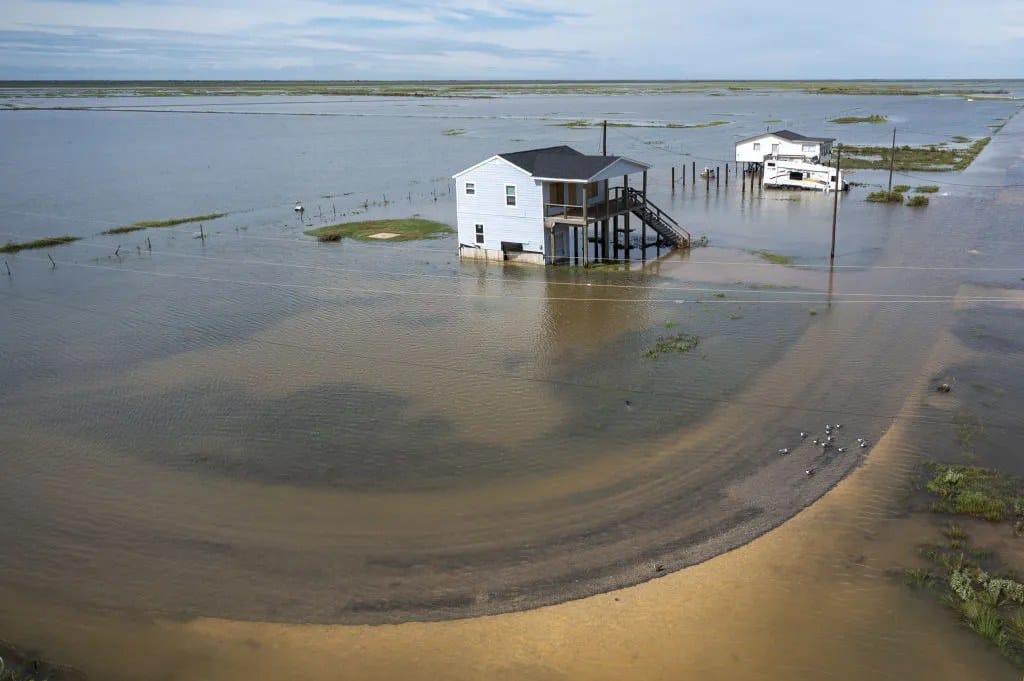
Time reports that several climate‑risk tools that were once publicly available are being removed, including the Trump Administration’s elimination of FEMA’s Future Risk Index last year and Zillow’s removal of its climate‑risk rating in December. Some data remain available for a fee: First Street provides property‑level risk information for floods, wildfires, hurricane wind, extreme heat, and air pollutants and, the outlet said, identified 94% of the properties destroyed in the Eaton fire in Altadena last year as having severe or extreme wildfire risk.
First Street CEO Matthew Eby told the New York Times, “Our models are built on transparent, peer‑reviewed science and the full methodologies are publicly available for anyone to review on our website,” and said the models have been validated by major banks, federal agencies, insurers, and engineering firms.
Other real‑estate sites including Redfin, Realtor.com, and Homes.com continue to show First Street data, and FEMA’s National Risk Index remains a free option charting risks across 18 hazards; the National Risk Index identifies current hazards, while the Future Risk Index monitored future risks.
Key Topics
Politics, Trump Administration, Fema, Future Risk Index, Zillow, National Risk Index