
Queen’s University Belfast leads global peacebuilding from a city shaped by conflict
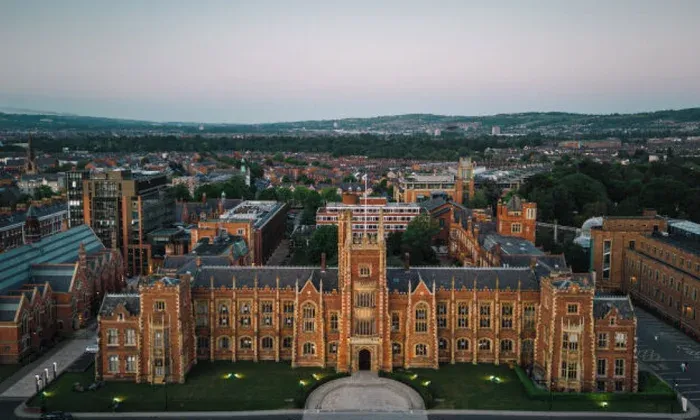
Queen’s University Belfast, a Russell Group institution based in Belfast, has become a world leader in research on peacebuilding and reconciliation, drawing directly on the city’s experience of sectarian violence. Staff at Queen’s say the university’s location gives them a practical, experience-based approach to studying how conflicts emerge and end.
"I’m less concerned with villains and heroes than I am with how the next 50 years can be more peaceful than the last," Richard English, professor of politics, told the article, and he described Queen’s work as "experience-respectful." The Mitchell Institute at the university serves as a hub for interdisciplinary research and for fostering dialogue between people with opposing views.
Researchers emphasise prioritising victims’ voices and making research practical. Kieran McEvoy’s work, including a facilitated dialogue that led to a formal acknowledgement of responsibility in the 1974 killing of John Crawford, was said to have "brought a measure of resolution" to the Crawford family.
McEvoy noted, "We don’t just do the posh academic writing." Other examples cited include research commissioned by the United Nations that was used by FARC in Colombia and the Belfast Guidelines on Amnesty and Accountability, which Louise Mallinder helped develop and which have been referenced in truth commission reports, UN reports, and by international courts and mediators.
Key Topics
World, Queen's University Belfast, Belfast, Northern Ireland, Mitchell Institute, Kieran Mcevoy