
Ranking the 10 most realistic war epics — from Paths of Glory to Black Hawk Down
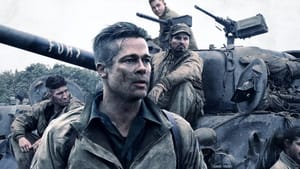
Collider ranks the 10 most realistic war epics, placing Stanley Kubrick’s Paths of Glory at No. 1 and Ridley Scott’s Black Hawk Down at No. 10, and assessing how each film makes combat feel lived-in rather than staged. The piece argues a war epic feels realistic when it nails the small mechanics: radio checks, confusion, fatigue, and the way one bad call can ruin a day.
When a film keeps you inside those practical pressures, you stop watching for spectacle and start watching like it’s a situation you need to survive. At No. 1, Paths of Glory shows the cruelty of command decisions via Colonel Dax (Kirk Douglas), where failed attacks produce scapegoating and the aftermath underscores the men’s humanity.
No. 2 is Saving Private Ryan, which set a standard with its D‑Day opening and Captain John Miller (Tom Hanks) trying to do his job amid sensory overload. No. 3, Come and See, is singled out for showing how war physically and mentally changes a child, while No. 4, Letters from Iwo Jima, locks the viewer into the Japanese side and the grinding realities of dwindling supplies and duty.
Midlist entries highlight internal dynamics and routine pressure: Platoon (No. 5) depicts ugly unit dynamics through Chris Taylor and rival NCOs; The Hurt Locker (No. 6) makes bomb disposal feel like a rewiring of the people who do it; and Das Boot (No. 7) conveys claustrophobia, pressure and time aboard a U‑boat by dwelling on the boring, tense routines.
paths of glory, saving private ryan, black hawk down, letters from iwo jima, come and see, das boot, the hurt locker, platoon unit dynamics, d-day opening, radio checks confusion, mogadishu mission chaos