
Readers Say Elite Campuses Still Struggle With Free Speech
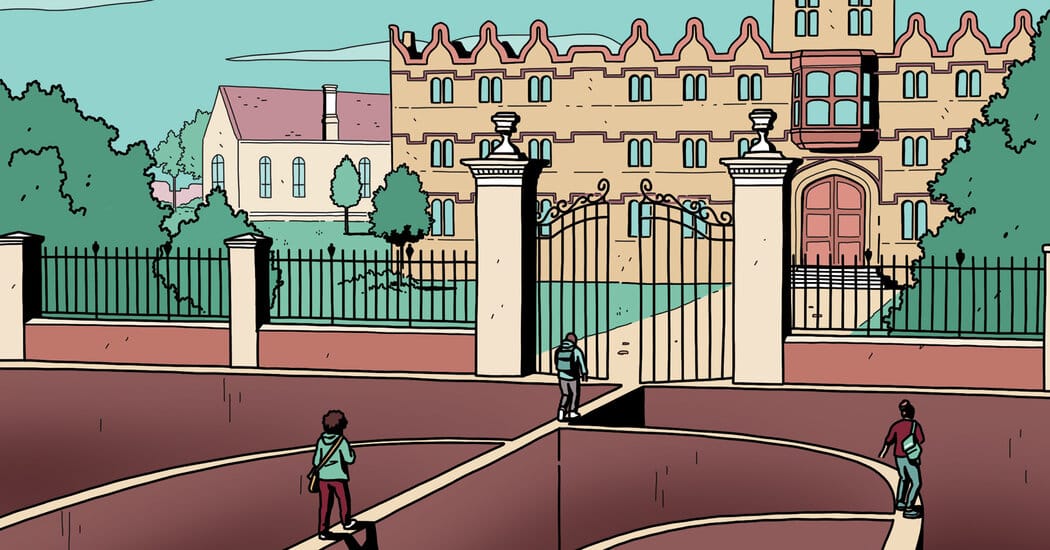
Letters to The New York Times responding to Alex Bronzini-Vender’s Jan. 5 essay argued that elite colleges and universities are still failing to protect free speech, with several writers singling out Harvard’s policies.
One correspondent suggested that left‑wing intolerance of speech long predates President Trump’s second term and that the left may now learn from being on the receiving end. Another called Harvard’s rules a “loyalty oath” and contrasted them with the University of Chicago’s “Chicago Principles,” while noting that universities are corporations and that there are nearly 6,000 colleges and universities in the United States, so choosing a college matters. Other letters described alternatives: leaders at Deep Springs College and Tidelines Institute said their humanities curricula and student self‑governance require students to work through conflict, and a Stanford sophomore wrote that censorship has outlived D.E.I. and presents a teachable moment for Generation Z to become defenders of free expression.
The writers proposed potential remedies — greater tolerance for offensive speech, educational practices that force students to adjudicate disputes, and generational commitment to free expression — but they did not specify whether or how universities will change in response.
Key Topics
Culture, Harvard, Free Speech, Chicago Principles, Deep Springs College, Tidelines Institute