
How to reduce the risk of smart home hacking
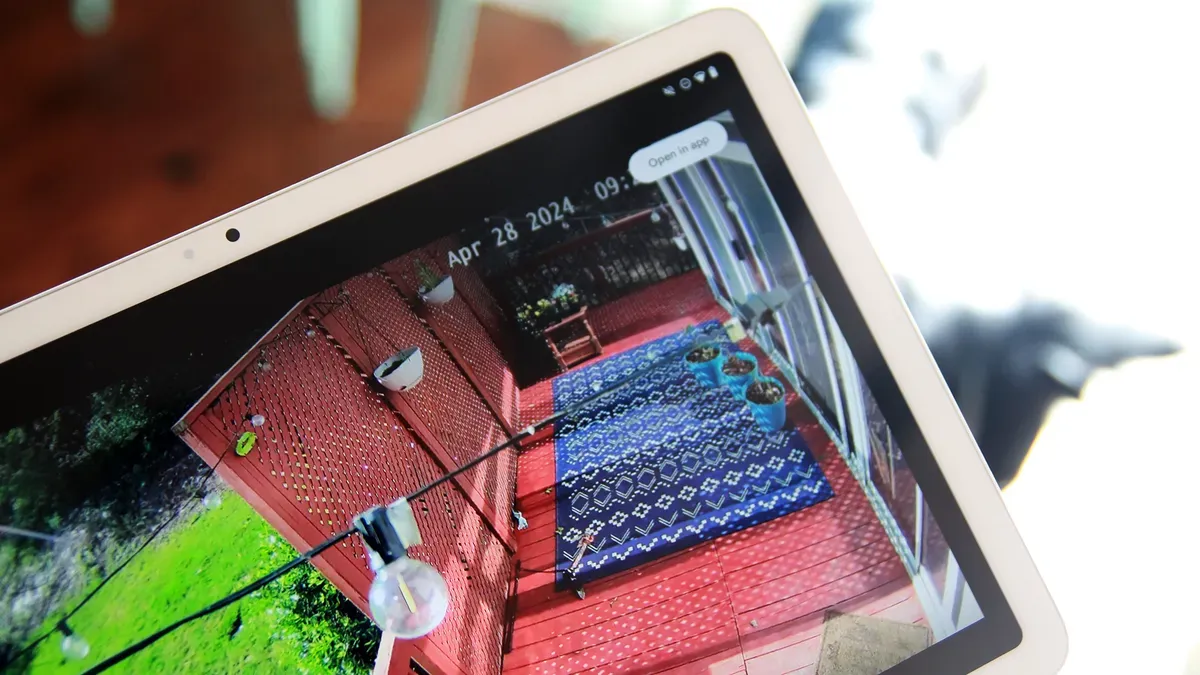
Smart homes and internet-connected devices are at risk of being hacked, though such attacks are generally opportunistic rather than targeted, ZDNET reports.
The outlet notes that attackers typically search randomly for easy targets and that many high-profile incidents stem from basic security lapses. Recent reports cited in the piece said 120,000 home security cameras in South Korea were hacked for sexploitation footage, an example that underscores privacy concerns for connected devices.
ZDNET recommends concrete steps to lower risk: use strong, unique passwords and change defaults; enable two- or multi-factor authentication where available (the article cites Amazon, Google, and Philips Hue); secure Wi‑Fi with WPA2 or WPA3, change router defaults and consider separate networks for guests and IoT devices; enable automatic firmware updates; and disable unnecessary features such as remote access or Universal Plug and Play.
The article also advises researching device brands before buying and verifying claims (for example, local-only storage) through reviews and user experiences on sites like Reddit. Ultimately, ZDNET says the best defense is to avoid being an easy target—while the risk remains low, following these practices reduces the chance of compromise.
Key Topics
Tech, Smart Home, Iot Devices, Home Security Cameras, Multi-factor Authentication, South Korea