
Report urges polluter-pays levy to raise about $35.6bn and compensate households
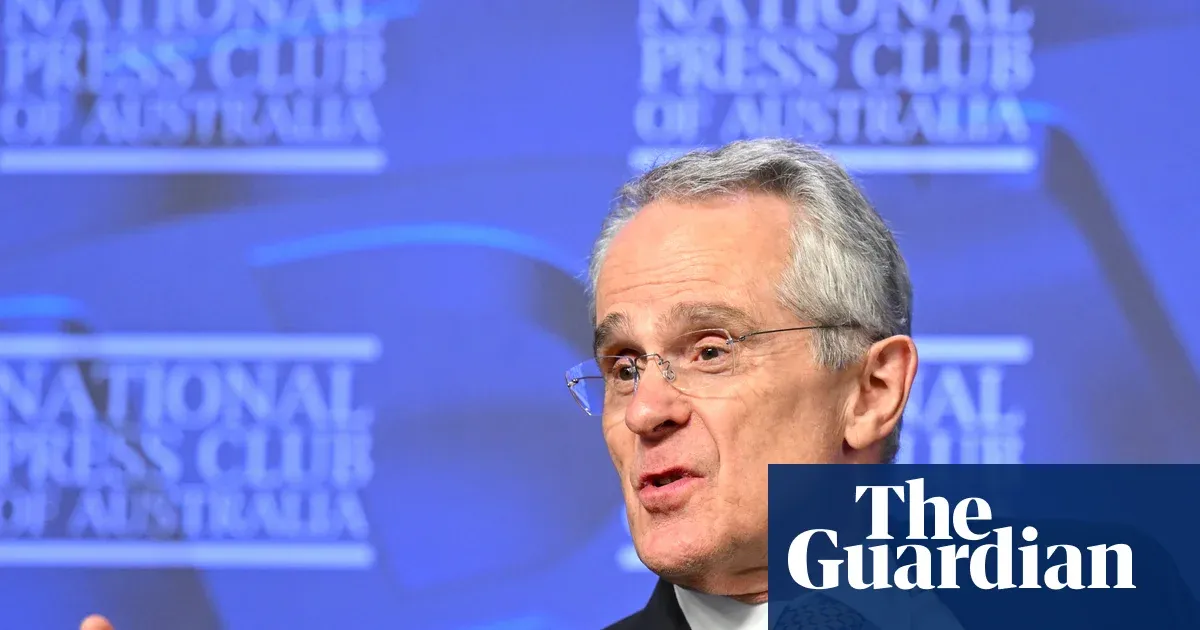
A report by the Superpower Institute, overseen by Ross Garnaut and Rod Sims and supported by former Treasury head Ken Henry, proposes a “polluter pays levy” on companies that extract or import fossil fuels consumed in Australia and estimates it could raise on average $35.6bn a year.
The analysis calls for two main measures: a levy on the carbon content of fossil fuel imports and the coal, gas and oil extracted in Australia, and a “fair share levy” to lift the tax on local gas producers from about 30% to just under 60%, closer to the 75%–90% rates in some other exporters such as Norway.
Households would receive hundreds of dollars in compensation under the proposal through a universal energy compensation payment plus a targeted additional household support package, with payments frontloaded over the next decade and expected to decline as people shift from gas, petrol and diesel to clean electricity; small businesses would also be compensated.
The institute suggested the levy could start at $17 a tonne of carbon dioxide and rise until it is linked to the European Union carbon price in 2034. Sims said the levy could apply to about 60 companies whose products “are responsible for about 80% of Australia’s emissions,” and that about $5bn a year should be dedicated to household cost-of-living relief while the remainder could address a structural budget deficit, social policies and green industries.
superpower institute, ross garnaut, rod sims, ken henry, polluter pays levy, fair share levy, gas levy, carbon content levy, raise $35.6bn a year, universal energy compensation payment, targeted household support, household cost-of-living relief, small business compensation, $17 a tonne, linked to eu carbon price, apply to 60 companies, companies responsible for 80% emissions, lift gas producer tax to 60%, norway 75%–90% rates, re-embrace carbon pricing, coal gas and oil extracted, fossil fuel imports australia, albanese government, redbridge group polling, revenue 2026 to 2050, structural budget deficit, green industries funding, household payments hundreds dollars