
NASA-backed team resurrects ancient nitrogenase, validates nitrogen isotope biosignature
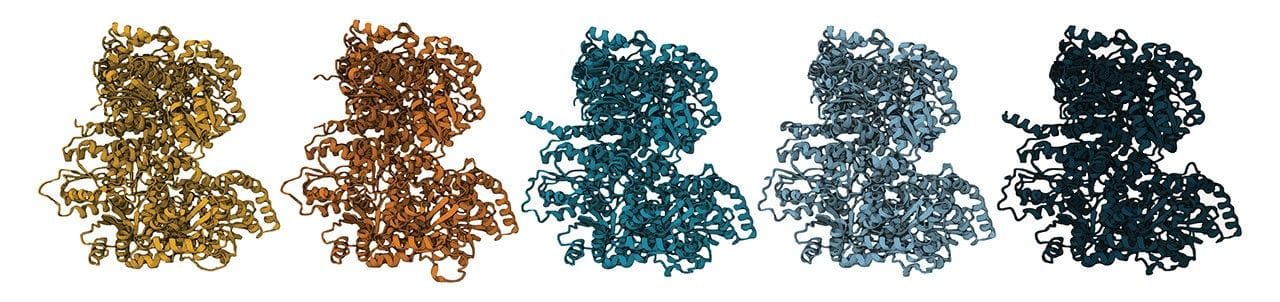
NASA-supported scientists have resurrected an enzyme first used by organisms on Earth about 3.2 billion years ago and, in doing so, validated a nitrogen-isotope (N-isotope) chemical biosignature in rocks, the team reported in a study published in Nature Communications on Jan. 22. The study focuses on nitrogen fixation, or diazotrophy, the metabolism that converts atmospheric nitrogen gas (N2) into biologically usable forms such as ammonia (NH3).
A diverse group of organisms called diazotrophs — mostly bacteria and some archaea and eukaryotes — carry out this process using an enzyme called nitrogenase. When diazotrophs fix nitrogen, the nitrogen atoms acquire a recognizably altered isotopic signature that can be preserved in sediments and rocks for billions of years.
Because microfossils are often ambiguous, scientists use these N-isotope signatures in the geological record to estimate when nitrogenase first appeared. To test whether ancient nitrogenases would leave the same signature, the team used synthetic biology to reverse-engineer modern nitrogenase and reconstruct simpler, ancestral versions.
They inserted these resurrected enzymes into living microbes and observed their behavior.
resurrected nitrogenase, n-isotope biosignature, nitrogen fixation, diazotrophs, reverse-engineered nitrogenase, betül kaçar, holly rucker, university of wisconsin-madison, nature communications study, synthetic biology, 3.2-billion-year nitrogenase