
Robotics, AI and launch opportunities highlight research aboard International Space Station
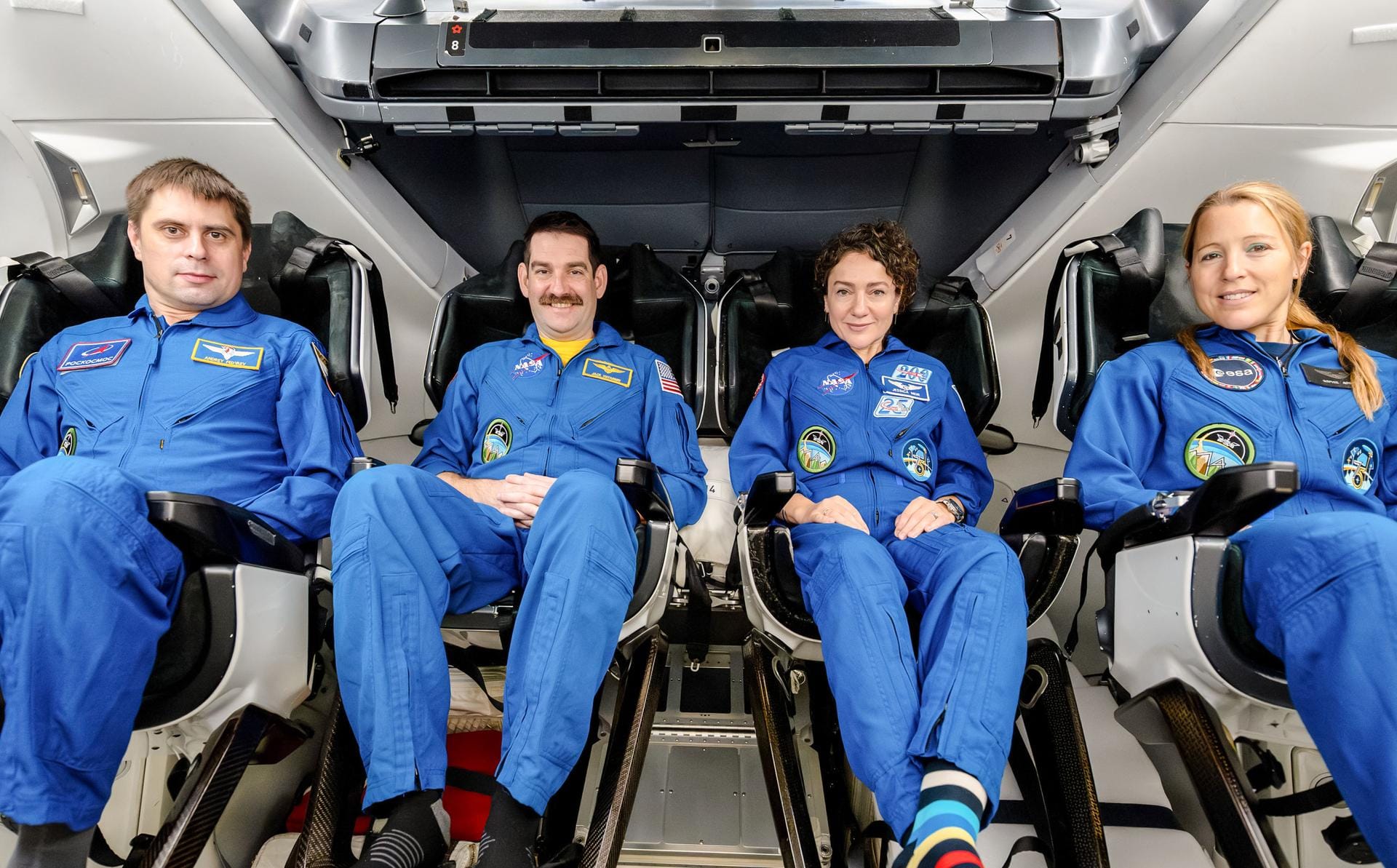
Robotics and artificial intelligence were back on the research schedule Wednesday aboard the International Space Station, where Expedition 74 crew members ran student robotics challenges, conducted Earth observations and performed life-support maintenance. NASA said the earliest opportunity for the SpaceX Crew-12 launch to the station is 6 a.m.
EST Feb. 11, with additional opportunities at 5:38 a.m. Feb. 12 and 5:15 a.m. Feb. 13 from Launch Complex 40 at Cape Canaveral Space Force Station in Florida. Several teams of college students from the Asia-Pacific region competed to see whose code could best command the Astrobee robotic free-flyers during a “treasure” hunt inside the Kibo laboratory module.
The challenge required maneuvering the toaster-sized, cube-shaped robots to identify and locate hidden items, and NASA Flight Engineer Chris Williams monitored the event to ensure the robots were configured correctly and operated safely. The ultimate objective of the robotics challenge is to inspire students to study science, technology, engineering and math.
Station Commander Sergey Kud-Sverchkov of Roscosmos worked in the Zvezda service module testing artificial intelligence tools to boost crew efficiency, including AI-assisted speech-to-text conversion and tools to improve data handling and communications between the crew and ground controllers.
astrobee, kibo laboratory module, international space station, expedition 74, spacex crew-12 launch, crew-12 launch opportunities, launch complex 40, cape canaveral space force station, student robotics challenge, asia-pacific college teams, treasure hunt robotics, chris williams, sergey kud-sverchkov, sergei mikaev, zvezda service module, artificial intelligence tools, ai speech-to-text tools, data handling improvements, crew-ground communications, gmt camera synchronization, roscosmos segment cameras, earth observations, life-support maintenance, plumbing and ventilation servicing, physics research hardware, artemis ii