
Saylor warns protocol changes threaten Bitcoin as Coinbase forms quantum advisory board
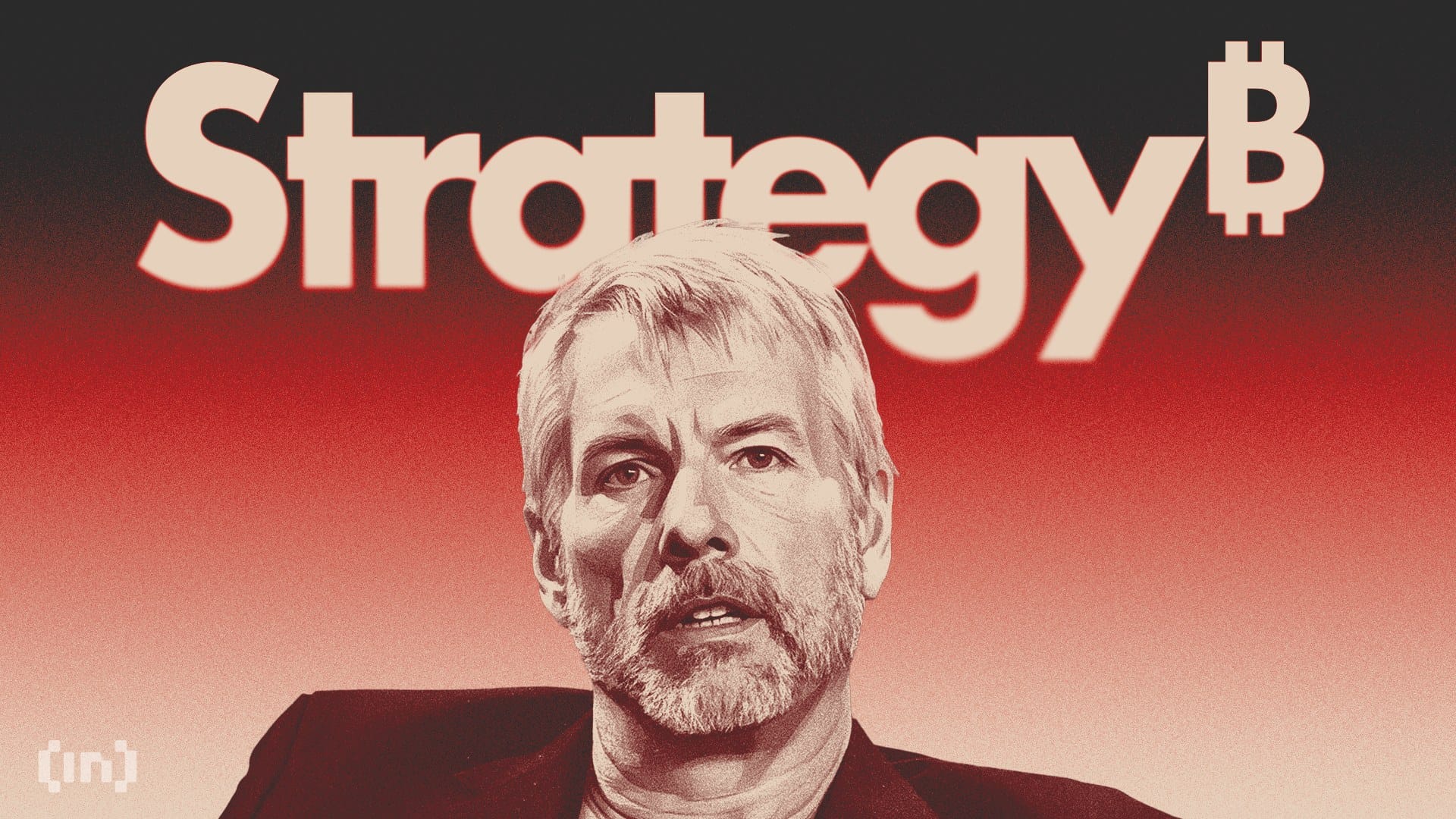
Beincrypto reports MicroStrategy co-founder Michael Saylor warned that Bitcoin’s greatest threat is ambitious opportunists pushing internal protocol changes, comments that come as Coinbase announced an independent advisory board to study quantum computing and blockchain security. Saylor framed protocol ossification as Bitcoin’s primary defense and said internal attempts to “improve” the network pose a greater danger than external technological breakthroughs.
The debate is already active: BIP-110 had 2.38% node support as of January 25, 2026, would temporarily cap OP_RETURN at 83 bytes and is set to activate by September 2026 amid complaints that inscriptions have consumed about 37% of block space over three years. Coinbase said its board will publish research, risk assessments and technical guidance; named members include Stanford professor Dan Boneh, University of Texas quantum theorist Scott Aaronson, Ethereum Foundation researcher Justin Drake and EigenLayer founder Sreeram Kannan.
Most researchers caution against rushed protocol changes and prefer waiting for post-quantum cryptography standards to mature. The report notes large-scale quantum machines are still at least five years away, but transition planning matters because migration could take years—Jameson Lopp said it may take five to ten years—so Coinbase describes its move as preparation rather than panic.
Key Topics
Crypto, Bitcoin, Coinbase, Michael Saylor, Quantum Computing, Ethereum Foundation