
Seeds follows Black farmers in the American south across seven years
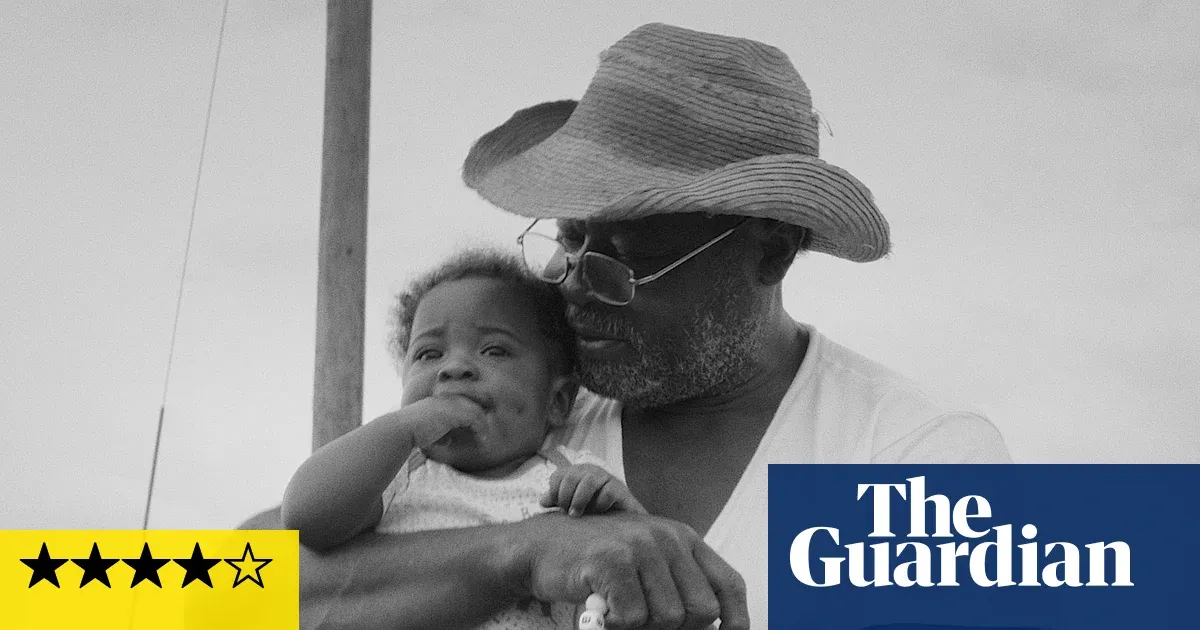
Brittany Shyne’s documentary Seeds observes Black farmers in the American south over the course of seven years, portraying both the beauty and the hardships of working with the land. Shot in black and white, the film lends visual sumptuousness to harvest rituals, showing giant machines extracting cotton and white fluffs fluttering in the air.
The choreography of farm work is presented as rich with poetic and political meaning, rooted in the painful legacy of slavery. The film foregrounds land ownership as more than an economic matter, linking it to autonomy of labour and the preservation of heritage to pass on to future generations.
Despite their hard work, the documentary shows systematic discrimination that undermines the farmers' financial security: while white neighbours have easier access to federal support, Black farmers face near-insurmountable red tape and much longer waits for funding. With operational costs and taxes mounting, many have had their land taken away.
One sequence follows 89-year-old Carlie Williams, who has farmed since his teens, as he struggles to negotiate the price of prescription glasses, and most of the subjects are from older generations, implying the work is less viable for younger people. The film is far from an elegy: the resilient community fights back, marching to Washington to protest against the inadequacies of the Biden administration.
Key Topics
Culture, Seeds, Brittany Shyne, Black Farmers, American South, Carlie Williams