
Sophie Pinkham argues Russia’s forests shape the nation’s identity
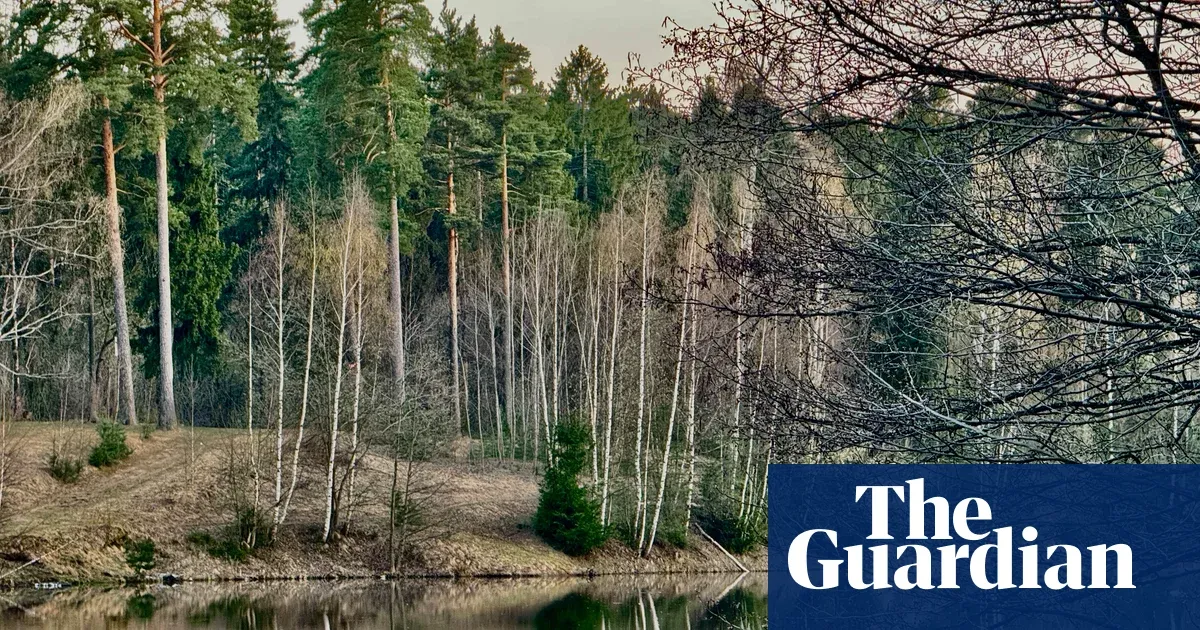
Sophie Pinkham’s new book frames Russia’s vast forests as central to the country’s identity, opening with the claim that Russia has roughly 642bn trees—more than the Milky Way’s estimated 200bn stars. Pinkham, a professor of comparative literature at Cornell University, traces the forests from the Arctic tundra to central Asia and the Pacific, and describes them as sources of beauty, danger and material wealth such as furs, minerals and salmon-rich rivers.
She argues the landscape has left an imprint on Russian history, society and literature, and that attitudes to the forest have shifted as leaders pursued different priorities—boosting agriculture, building Peter the Great’s fleet, extracting minerals or constructing hydroelectric dams—producing cycles of deforestation and replanting.
The forest has been an ideological and literal battleground: Pinkham links its role in resistance and ultranationalist rhetoric, and shows how military success from the Mongol era to the present has depended on understanding woodland terrain. She recounts that during the second world war partisan fighters "found their greatest ally in the forests", hiding in trees, sabotaging German supply lines and helping an estimated 25,000 Jewish people escape into the woods.
Key Topics
Culture, Sophie Pinkham, Russia, Taiga, Cornell University, Chornobyl