
Study finds U.S. tariffs drained domestic liquidity and held crypto markets back
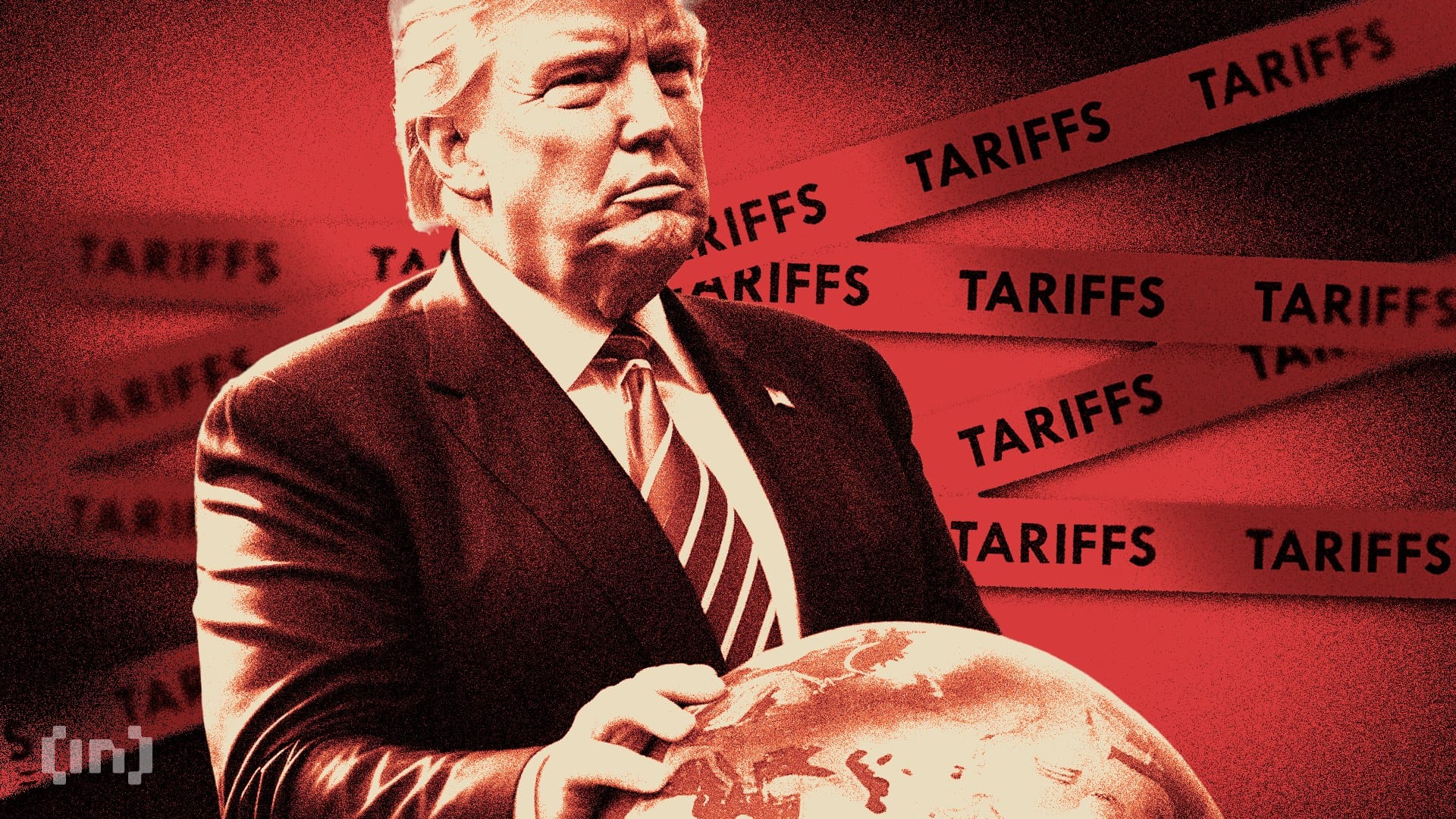
Beincrypto reports that new research, cited by The Wall Street Journal, found 96% of U.S. tariff costs between January 2024 and November 2025 were paid domestically, effectively acting as a slow, hidden tax that reduced discretionary liquidity and helped keep crypto markets stalled after October.
A study by Germany’s Kiel Institute analyzed about $4 trillion of shipments and concluded foreign exporters absorbed roughly 4% of the tariff burden while U.S. consumers and importers absorbed 96%, with nearly $200 billion in tariff revenue paid almost entirely inside the U.S. economy. Exporters largely kept prices steady and instead shipped fewer goods or redirected supply, producing lower trade volumes; only about 20% of tariff costs reached consumer prices within six months, the rest sat with importers and retailers and squeezed margins while U.S. CPI remained 1.57% year‑over‑year and below 2% since year‑end.
The research links that slow drain on cash to crypto’s sideways move: tariffs removed discretionary capital that might have fueled a rebound after October, producing a liquidity plateau rather than a collapse. The piece notes that with tariff pressure no longer intensifying crypto has begun to regain momentum as other headwinds ease, but the tariff data alone does not fully explain market volatility.
Key Topics
Crypto, U.s. Tariffs, Domestic Liquidity, Crypto Markets, Kiel Institute, Federal Reserve