
Study: GLP-1 weight-loss drugs may trim U.S. airlines' fuel costs by $580M
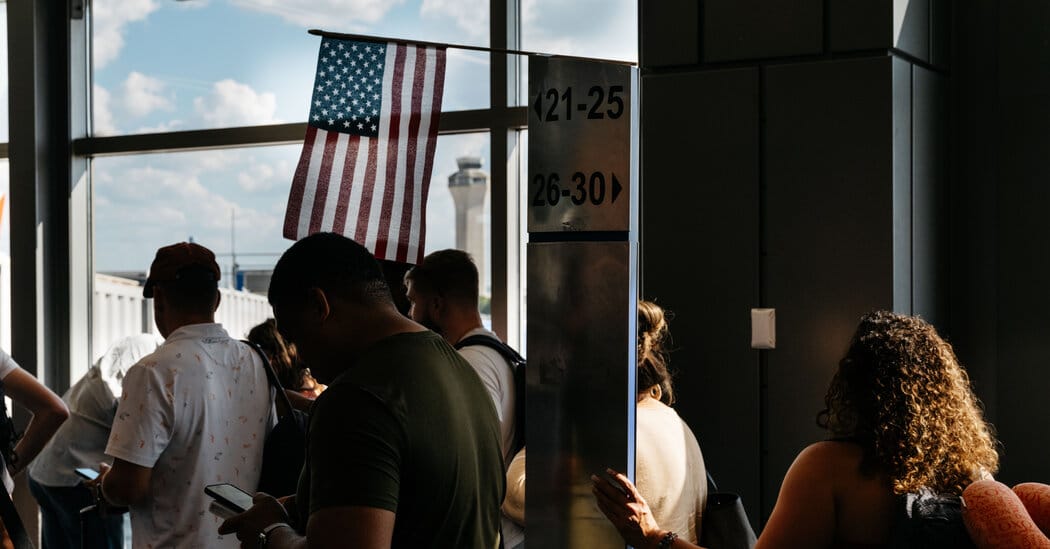
A Jefferies study says weight-loss drugs known as GLP-1s could help the four largest U.S. carriers — American Airlines, Delta Air Lines, Southwest Airlines and United Airlines — save as much as $580 million a year in fuel costs by reducing passenger weight. Sheila Kahyaoglu, an equity analyst at Jefferies and an author of the study, said the finding did not surprise her because airlines already look for any way to reduce aircraft weight.
The Jefferies study notes that one in eight U.S. adults reported taking a GLP-1 in a November KFF survey, and estimates the four carriers will consume 16 billion gallons of fuel in 2026 at a cost of $38.6 billion — nearly 20 percent of their expenses. The report says the potential savings from slimmer passengers would be about 1.5 percent of fuel costs, and that a 2 percent reduction in aircraft weight could boost earnings per share by about 4 percent.
It also highlights that airlines and pilots scrutinize even small changes to a plane’s weight and balance because a lighter payload reduces the fuel needed to generate thrust. Ms. Kahyaoglu said she did not expect airlines to purchase less jet fuel as a direct result, but suggested weight-loss drugs might change how carriers generate ancillary revenue if passengers buy fewer snacks.
Key Topics
Business, American Airlines, Delta Air Lines, Southwest Airlines, United Airlines, Jefferies